
Garbage Clinical Insurance
Turning Waste into Healthcare Access in Indonesia

Overview
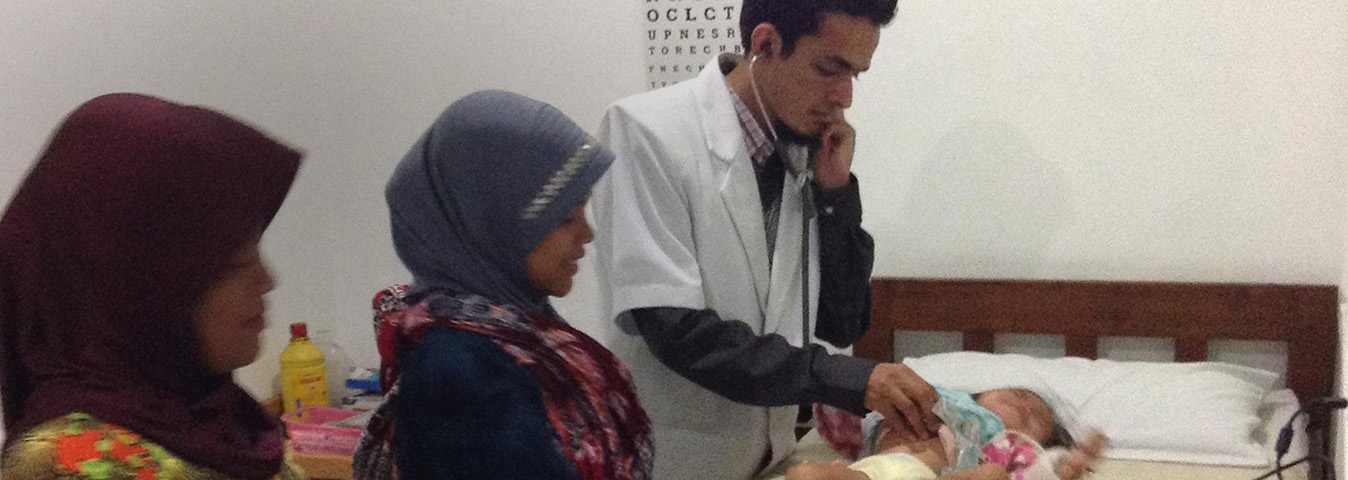
Garbage Clinical Insurance (GCI) is a community health programme in Malang, Indonesia that allows low-income households to pay for health micro-insurance using recyclable waste. Developed by Indonesia Medika Foundation, the initiative improves access to healthcare while encouraging better waste management and sanitation practices.
Impact At A Glance
- Low-income households gain healthcare access by exchanging recyclable waste for insurance premiums
- Improved waste management practices within participating communities in Malang
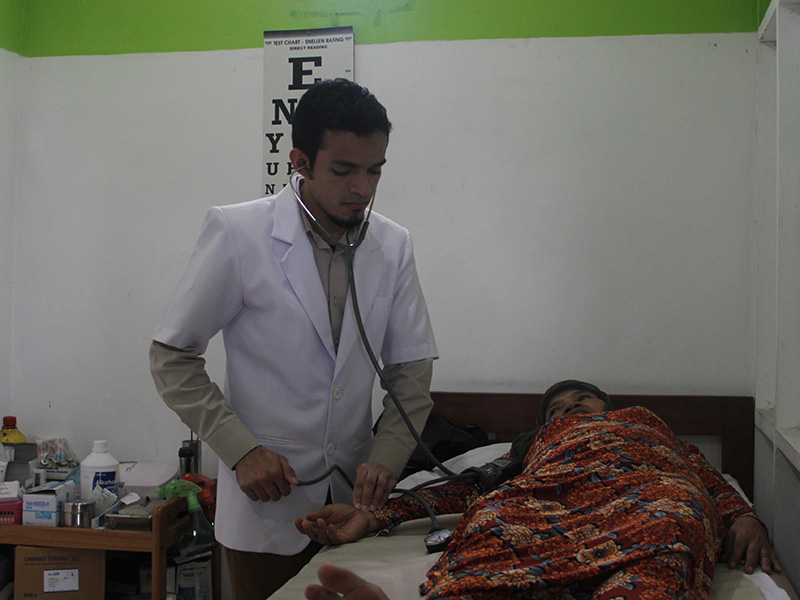
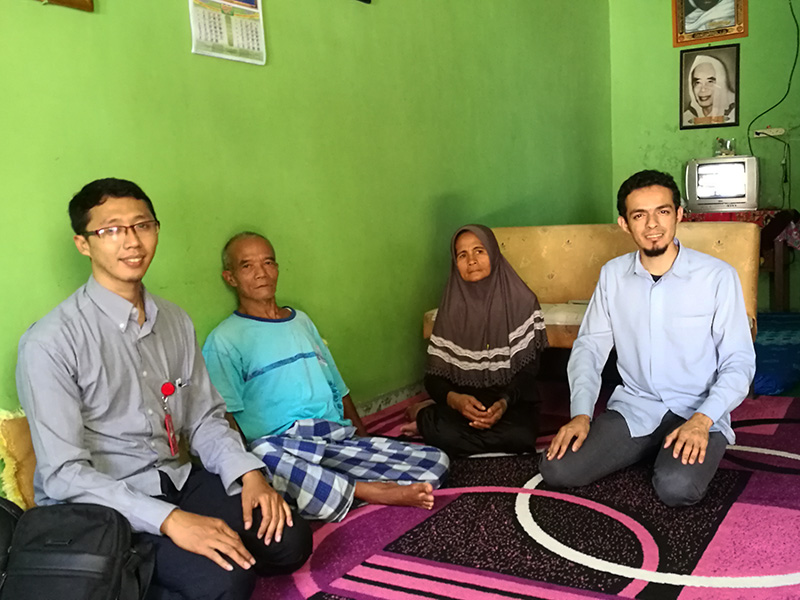
- Expanded access to basic medical services including clinic care, house calls, and preventive treatment
- Community-driven health financing model funded through the sale of collected recyclables
The Challenge
For many low-income Indonesians, the cost of healthcare remains out of reach while poor waste management worsens public health risks.
In Indonesia, where approximately 18 percent of the population lives on less than US$1 a day, even basic medical services can be unaffordable. Despite rising healthcare costs, insurance coverage remains low among low-income households, leaving many families vulnerable when illness strikes.
At the same time, improper waste management at the municipal level contributes to environmental pollution and health problems in many communities. As the world’s fourth most populous country, Indonesia faces significant challenges in managing waste and improving healthcare access simultaneously, particularly in densely populated urban areas.
The Solution
Garbage Clinical Insurance transforms household waste into a resource that helps families access essential healthcare services.
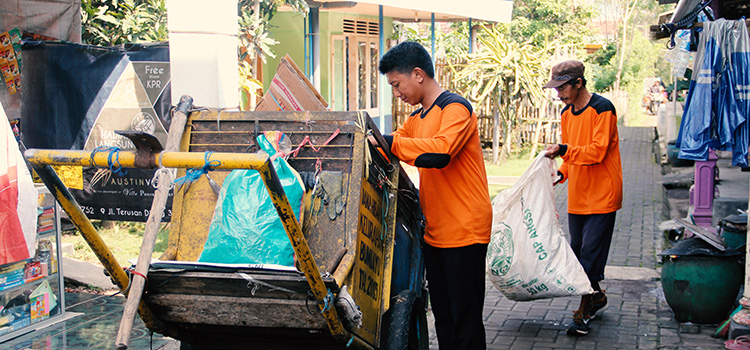
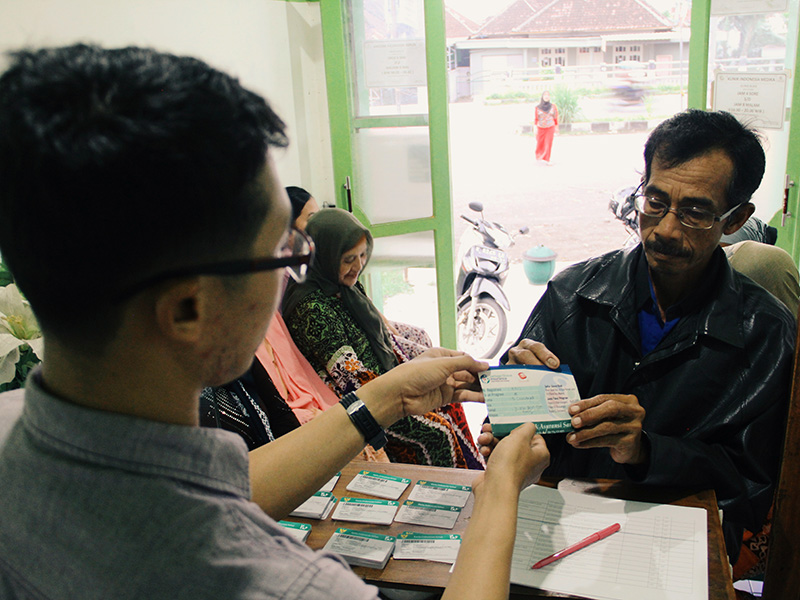
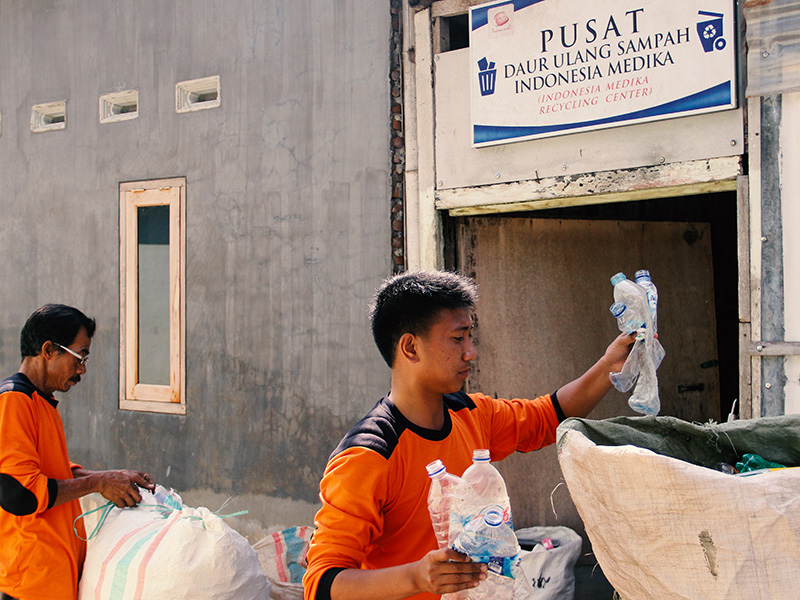
The programme was developed by Indonesia Medika Foundation in Malang, East Java as a two-in-one solution to the district’s health and waste management challenges. Instead of paying cash for health insurance premiums, participating households contribute recyclable waste that would otherwise go unused.
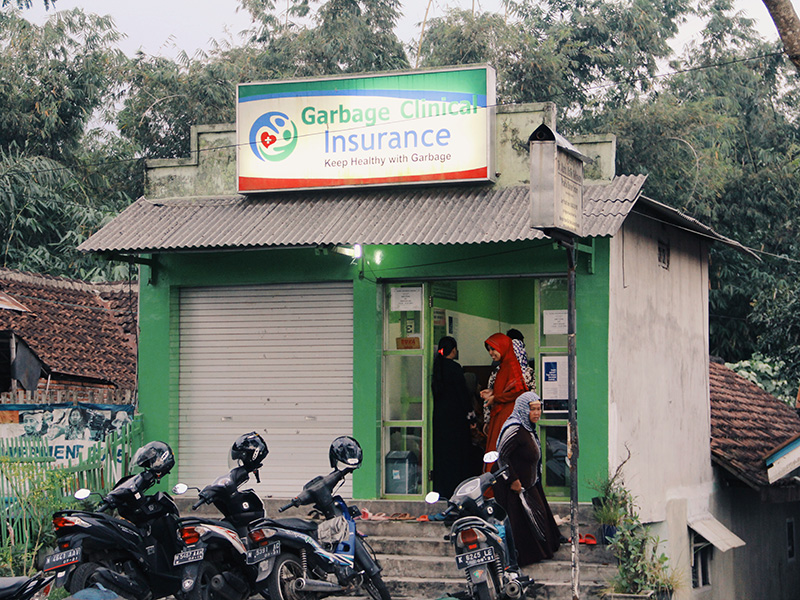
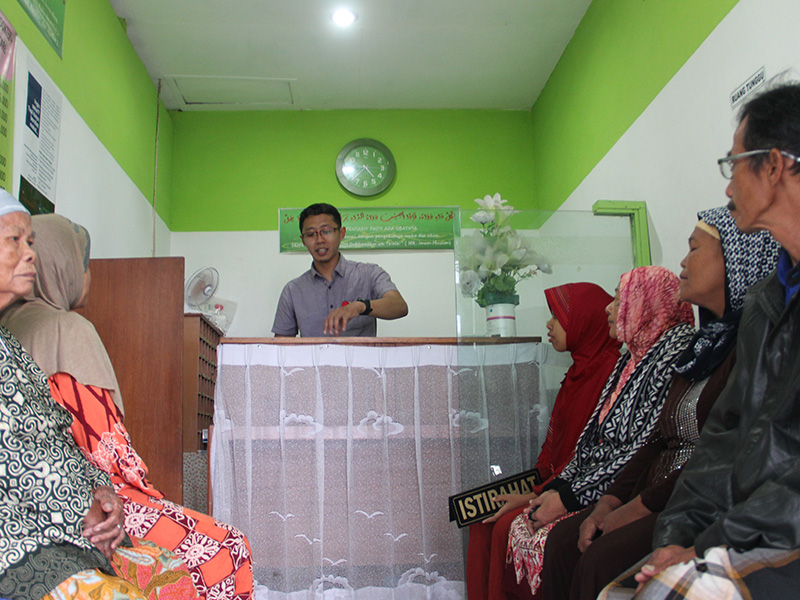
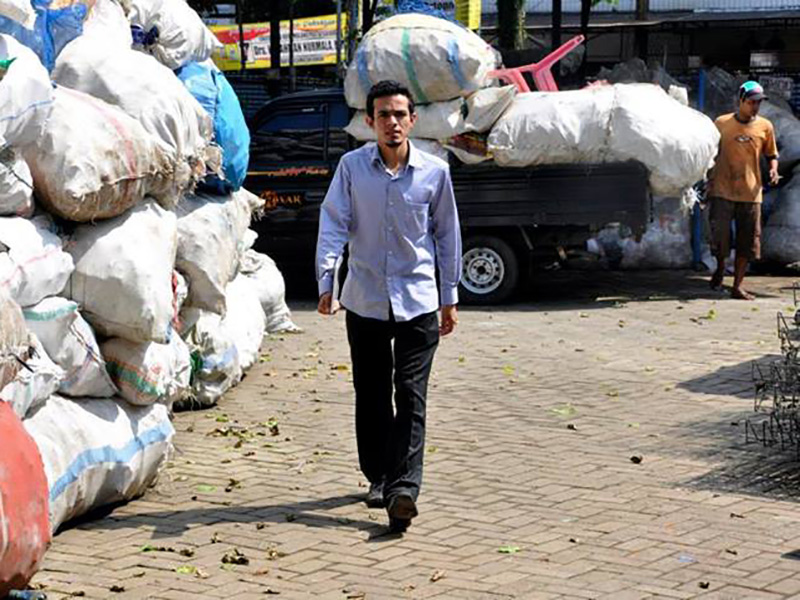
Collected waste is sold to formal waste management companies, and the revenue generated is used to fund health micro-insurance coverage. Participants receive access to services at GCI clinics, including consultations, medication, house calls, and preventive or rehabilitative healthcare.
By linking healthcare access with recycling behaviour, the programme encourages communities to manage waste more responsibly while creating a sustainable financing model for healthcare services.
The Grant with AirAsia Foundation
AirAsia Foundation’s grant supports the expansion of Garbage Clinical Insurance to reach more communities in Malang.
- Establish a new clinic with medical staff, equipment, medication, and a waste collection centre
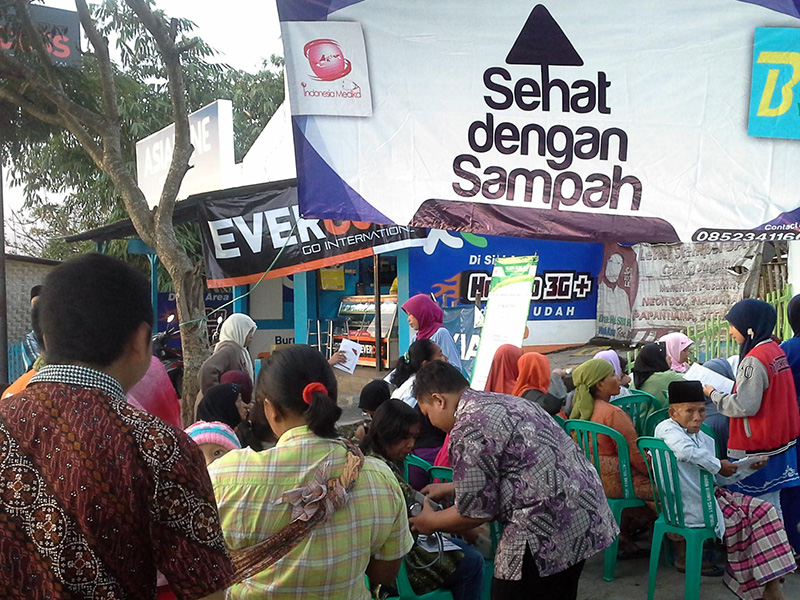
- Conduct outreach and marketing to encourage participation among community members and schools
- Organise health education campaigns and community awareness talks
- Support research and surveys to improve programme effectiveness
Through these efforts, the programme aims to scale its innovative model of waste-based health financing while improving sanitation and healthcare access for underserved communities.
Gallery
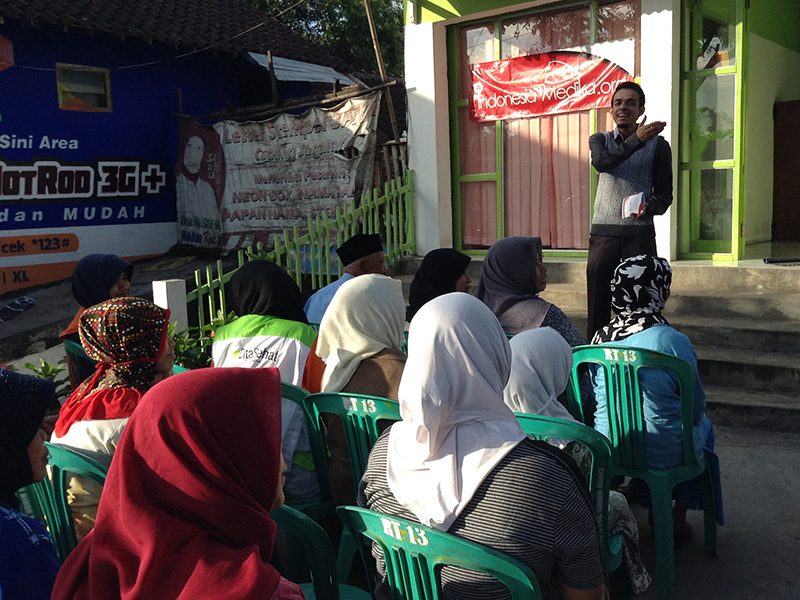
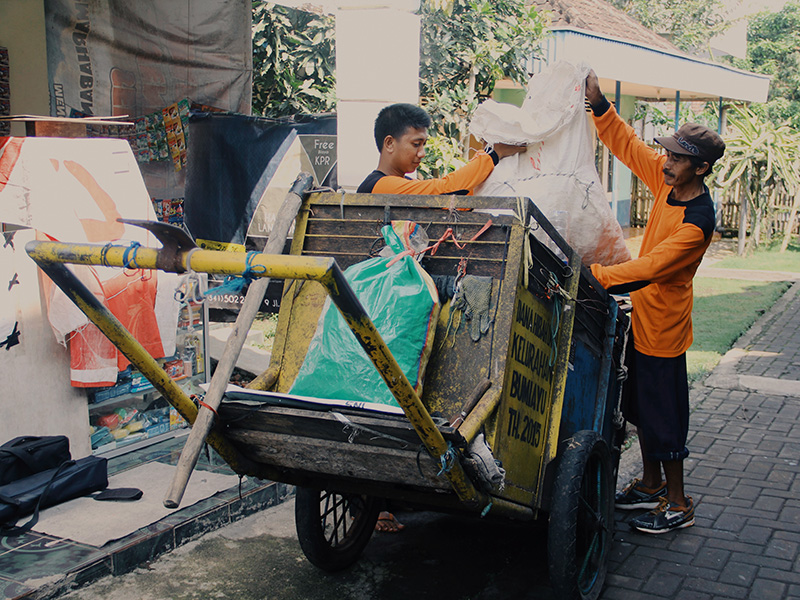
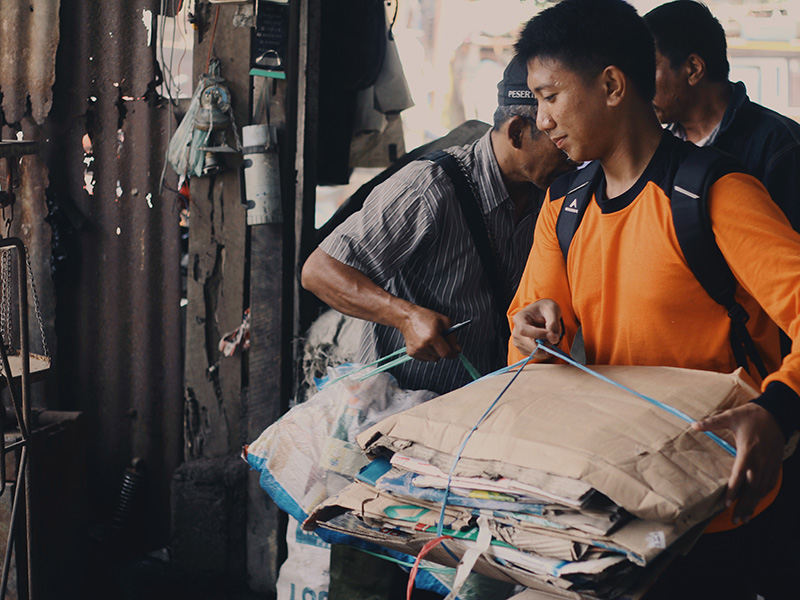
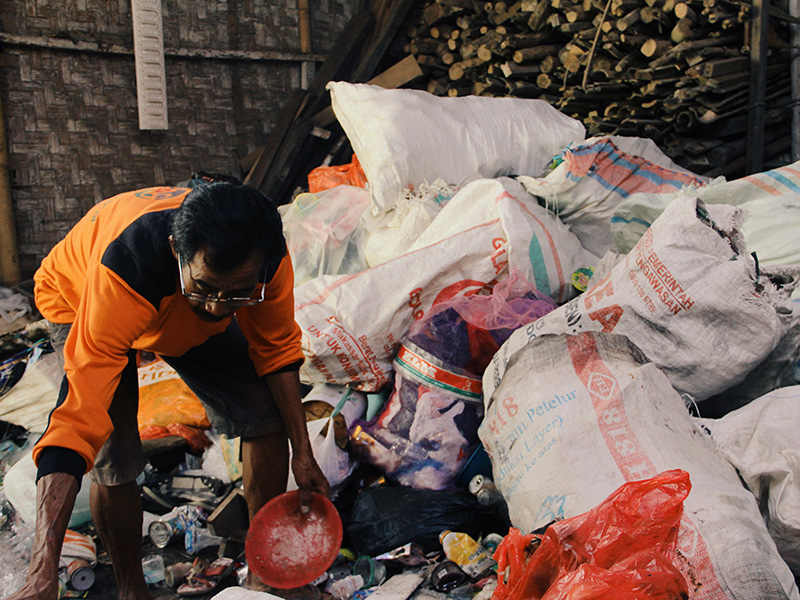
The Organisation
Indonesia Medika Foundation
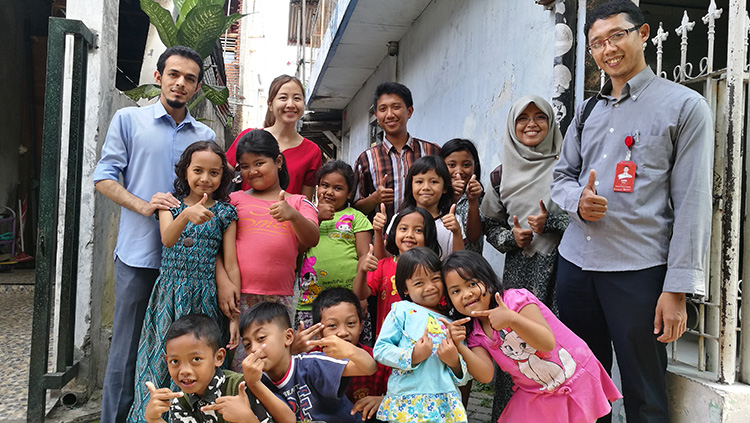
Indonesia Medika Foundation is a health development organisation founded in 2013 with the mission of expanding access to healthcare across Indonesia. In addition to Garbage Clinical Insurance, the organisation has developed other innovative health solutions including Homedika, an online platform connecting health workers with communities, and SiapaPeduli.com, a social crowdfunding platform for healthcare initiatives.
Team Leader
Dr. Gamal Albinsaid
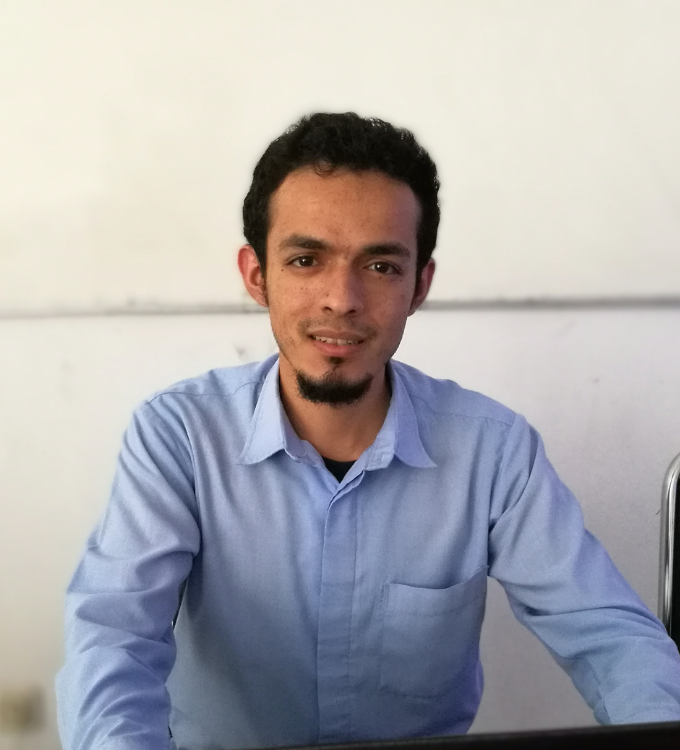
Dr. Gamal Albinsaid founded Indonesia Medika Foundation after recognising the urgent need to improve healthcare access in his hometown of Malang. A medical doctor and social innovator, he focuses on developing creative solutions that address systemic challenges in healthcare delivery. His work has gained recognition from both national and international medical communities, and he actively promotes open collaboration to expand the reach and impact of his programmes.
Social Enterprise