

Langur Project Penang
Promoting Coexistence Between Humans and Urban Monkeys

Factbox
Location
Penang, Malaysia
Grant Period
Dec 2025 - Nov 2026
Grant Amount
MYR 58,000
Beneficiaries
160 students
Focus Area

Overview
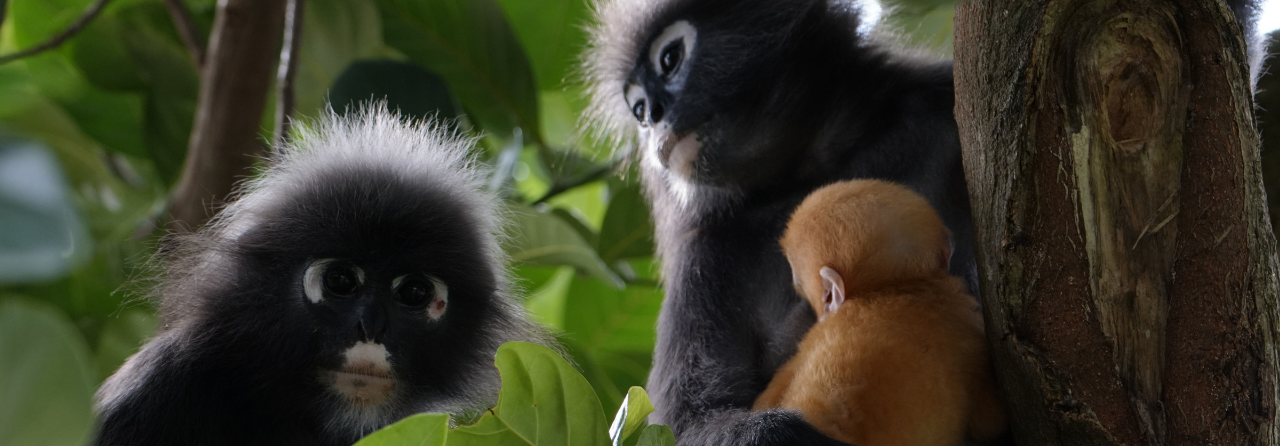
Langur Project Penang (LPP) is a Malaysian primate conservation enterprise working to promote coexistence between humans and urban monkeys through citizen science, environmental education, and community-driven conservation initiatives. The organisation focuses on reducing negative human-monkey interactions while improving habitat connectivity and public understanding of endangered primates.
Impact At A Glance
- Conducted environmental education and citizen science programmes on urban wildlife conservation
- Improved safe movement for arboreal wildlife between fragmented habitats
- Developed community-based management recommendations for human-langur coexistence
The Challenge
Rapid urbanisation is increasing conflict between humans and urban primates in Penang.
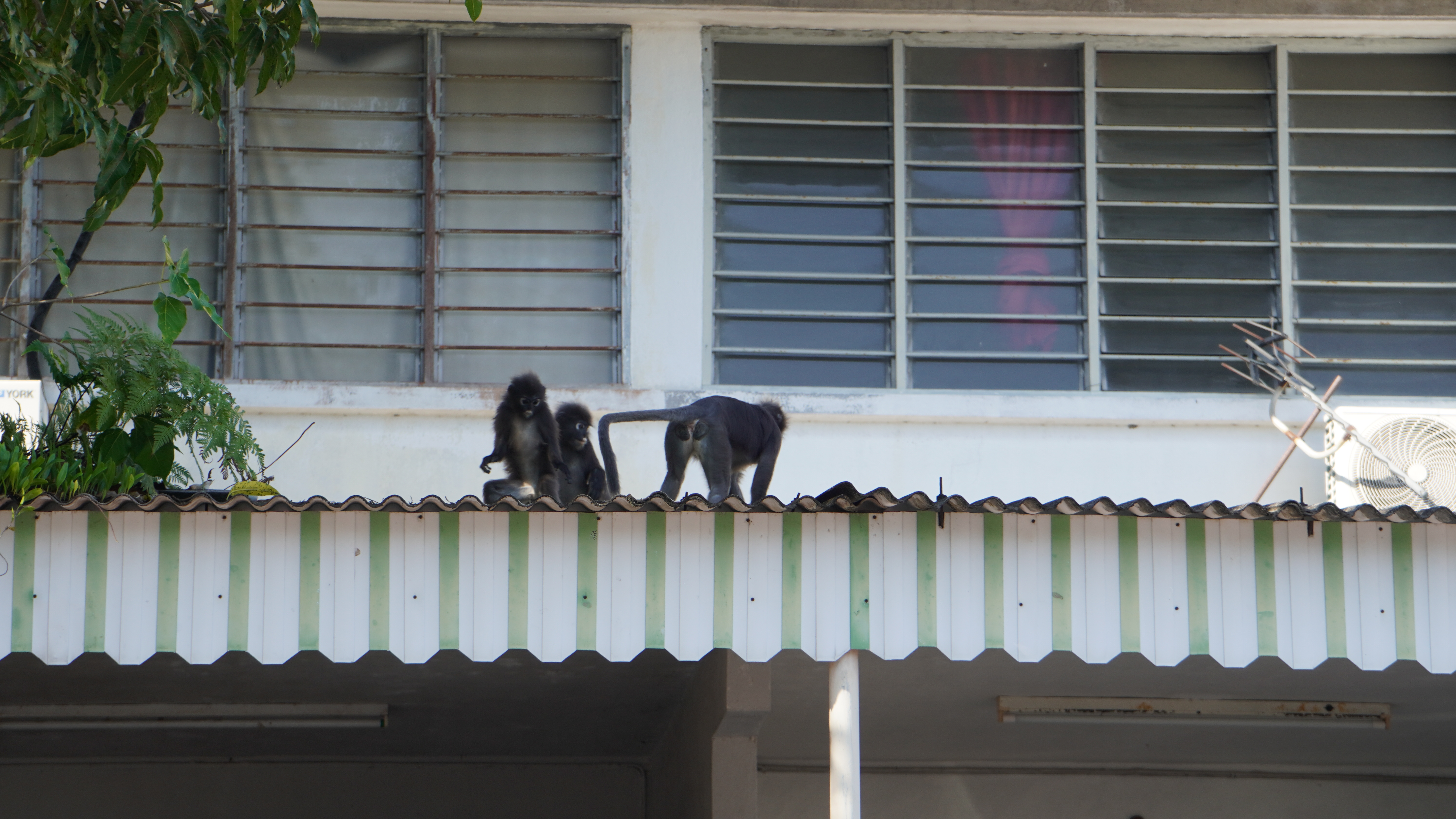
Infrastructure development and expanding urban landscapes have fragmented natural habitats, forcing endangered primates such as dusky langurs and long-tailed macaques to move through residential areas, roads, and other human-dominated spaces in search of food and safe passage. This has contributed to rising cases of wildlife roadkill and electrocution as primates attempt to cross disconnected forest canopies.
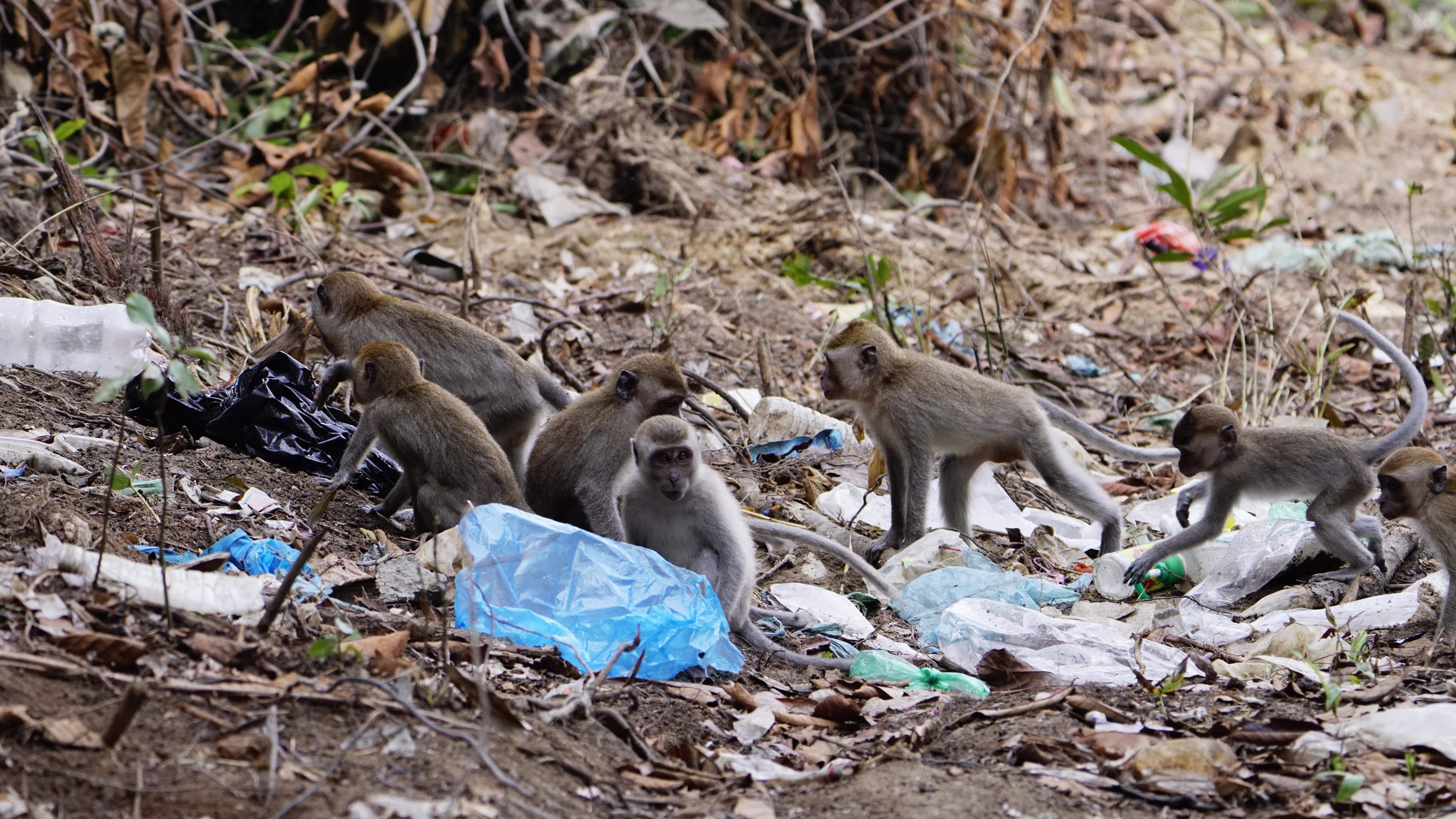
In tourist and recreational areas, access to human food and poor waste management have further altered macaque behaviour, increasing dependence on human-populated spaces and intensifying conflict with local communities and visitors. At the same time, limited public understanding of urban wildlife and coexistence practices continues to fuel misinformation and harmful responses towards these endangered species.
The Solution
Langur Project Penang combines research, education, and community action to build long-term coexistence between humans and urban wildlife.
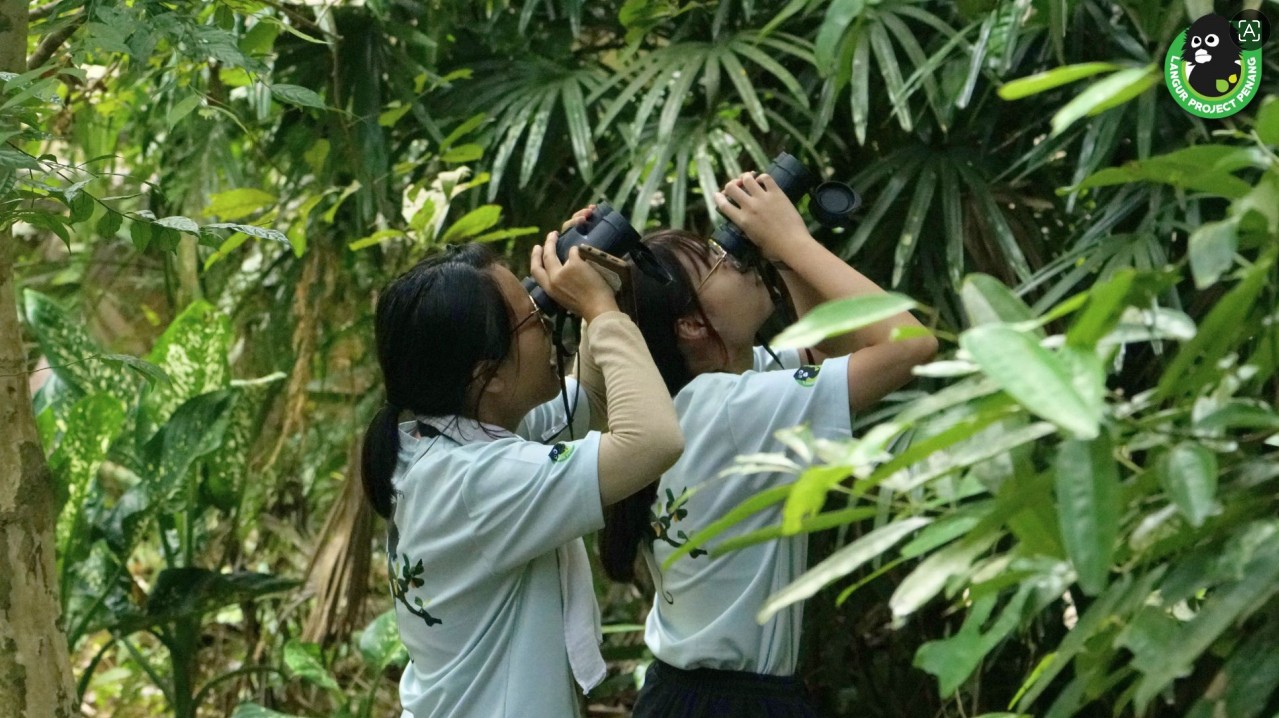
LPP promotes coexistence through citizen science-based field research, environmental education, and community-driven conservation initiatives that address habitat connectivity, public awareness, and sustainable human-wildlife interactions.
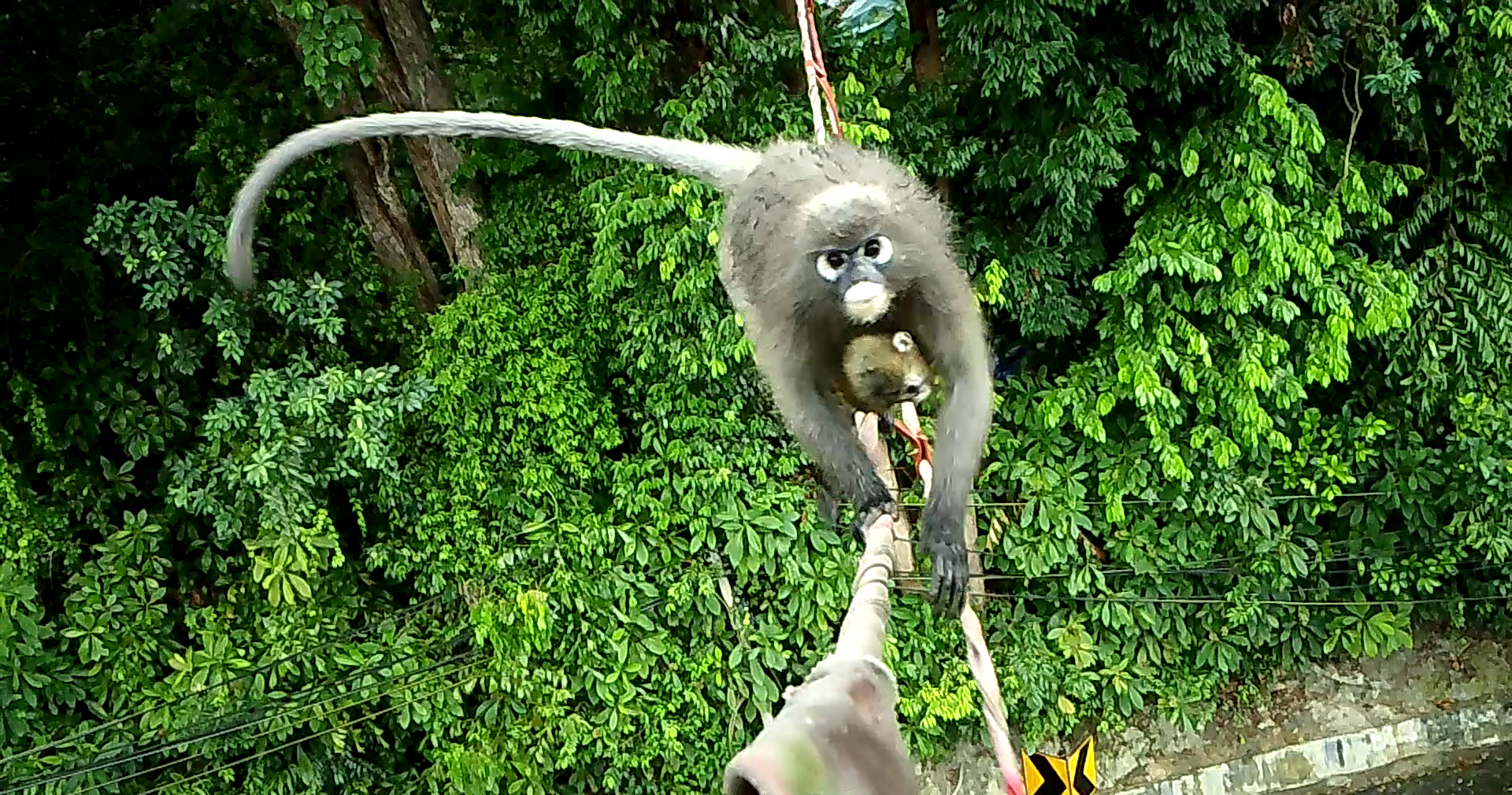
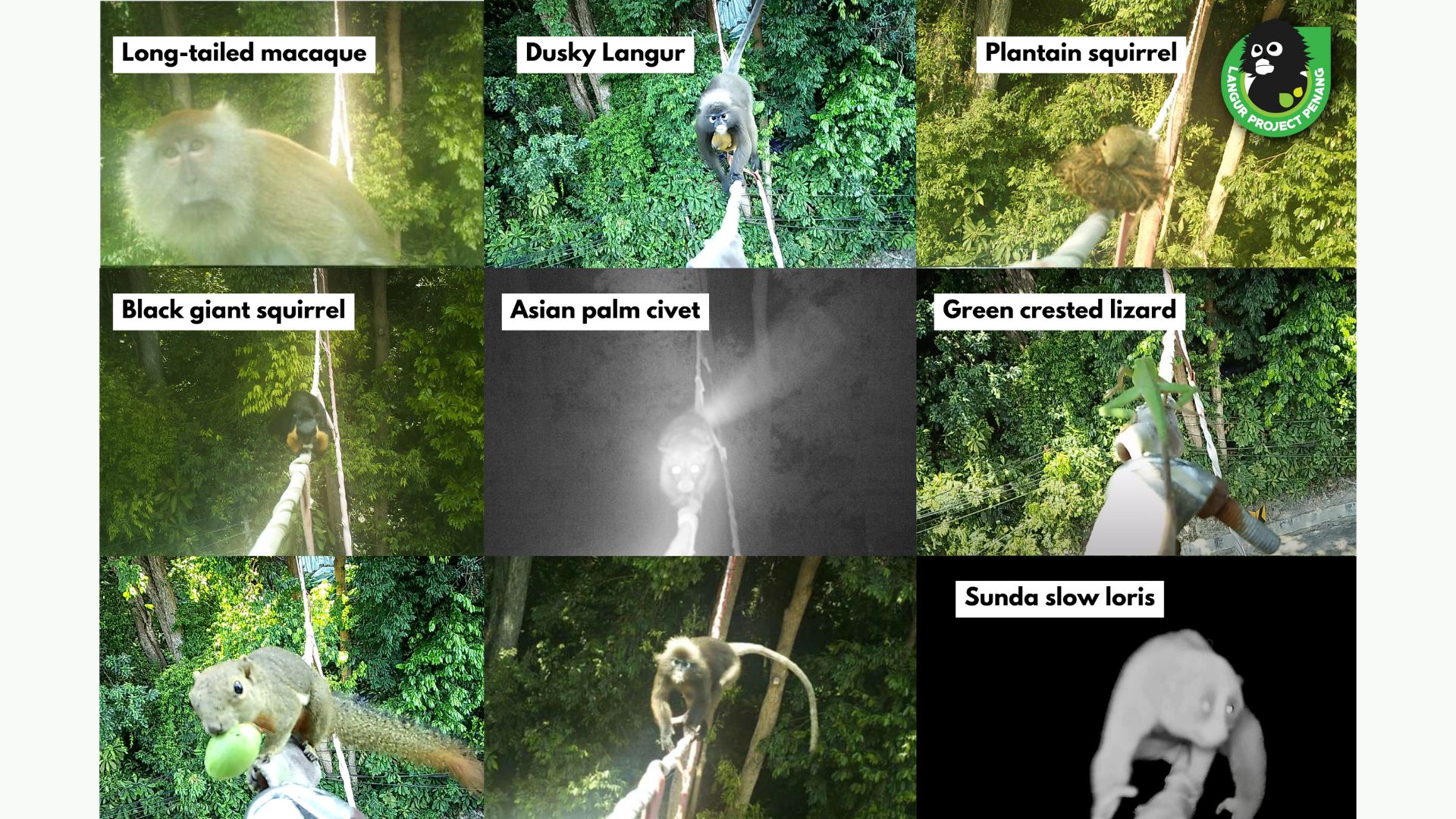
To improve habitat connectivity, the organisation installed artificial road canopy bridges in Penang, marking the first arboreal wildlife crossings in an urban setting in Malaysia. More than 6,000 wildlife crossing camera trap recordings have documented arboreal wildlife safely using these crossings to move between habitat fragments previously divided by road infrastructure. The crossings are also designed to reduce wildlife roadkill incidents.
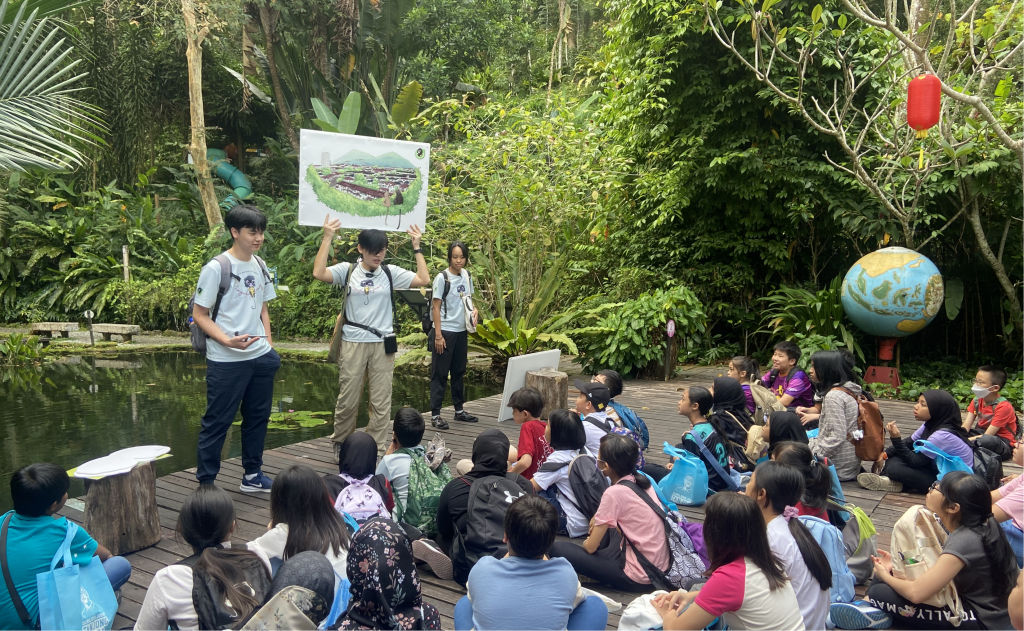
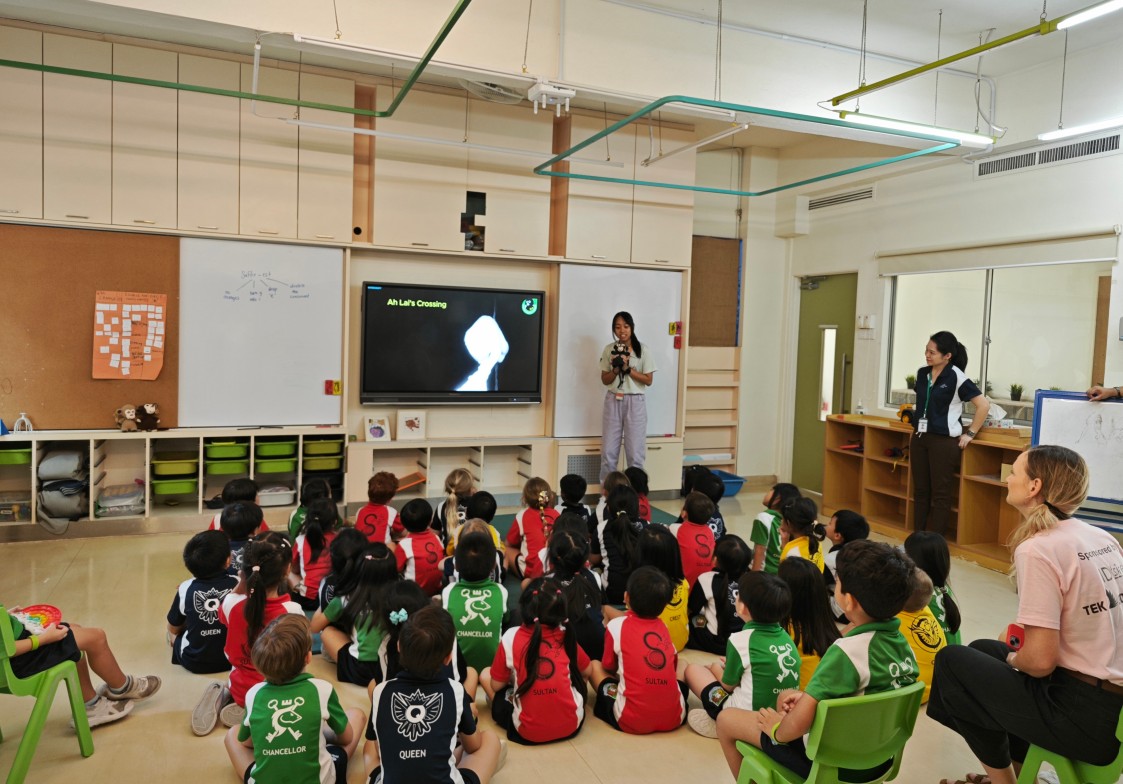
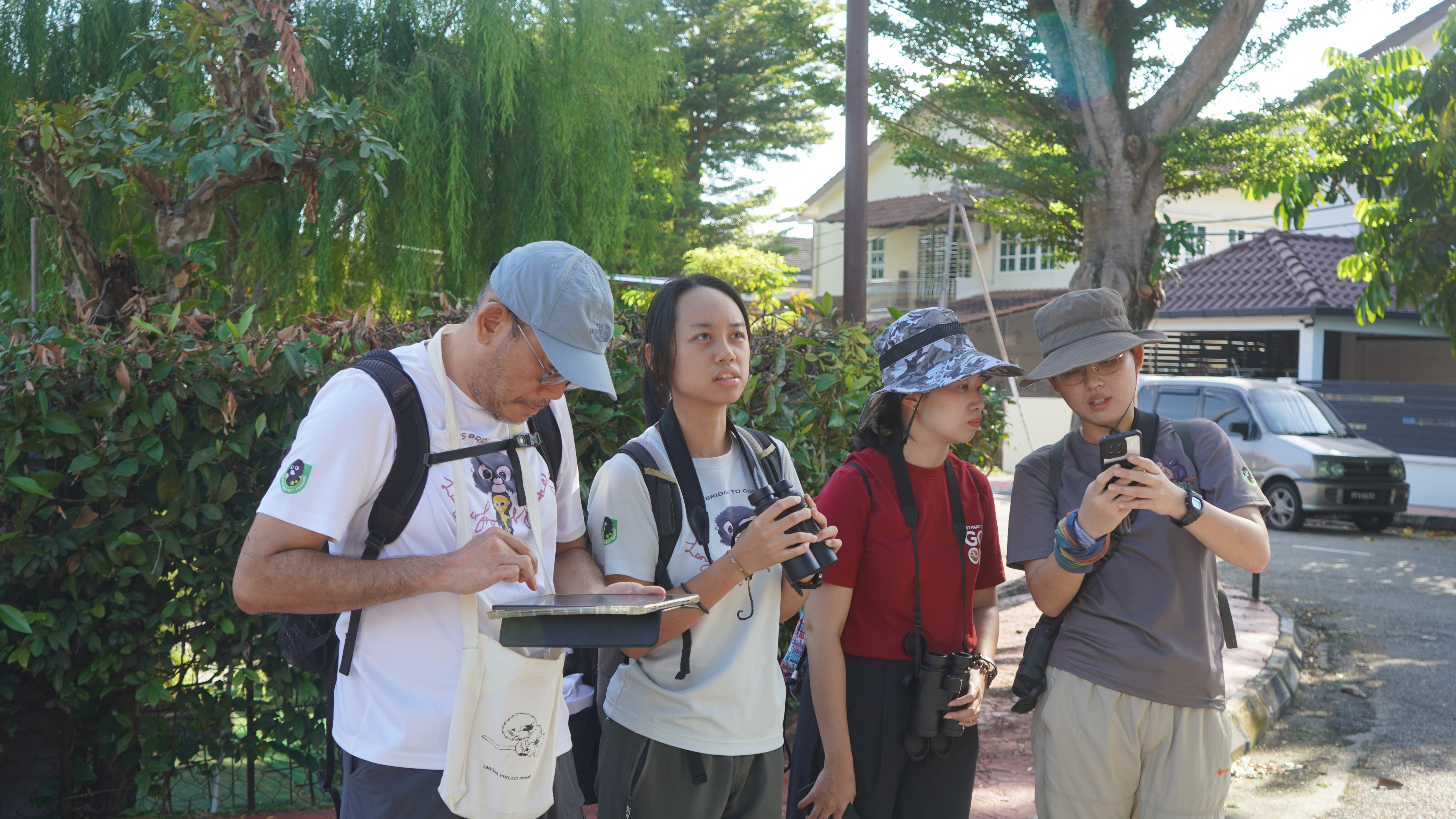
Beyond infrastructure solutions, LPP works closely with local communities to develop recommendations for humane and sustainable approaches to mitigating negative human-dusky langur interactions. The organisation also conducts environmental education programmes covering topics such as urban monkey behaviour, macaque facial expressions, and hands-on citizen science activities. Through environmental edcation outreach, LPP uses education as a conservation tool to foster greater understanding and coexistence between people and wildlife.
The Grant with AirAsia Foundation
AirAsia Foundation’s grant supports Langur Project Penang in scaling its conservation impact while strengthening long-term operational sustainability.
- Expanding outreach efforts and educational materials for the Rainforest Programme
- Enhancing programme content development, marketing assets, and website presence
- Building the team’s capacity to strengthen and scale the programme
- Supporting continued public awareness on primates and human-wildlife coexistence
By strengthening its environmental education programme, the grant enables LPP to diversify and sustain its conservation efforts while working towards achieving financial self-sufficiency by 2027.
Gallery
The Organisation
Langur Project Penang
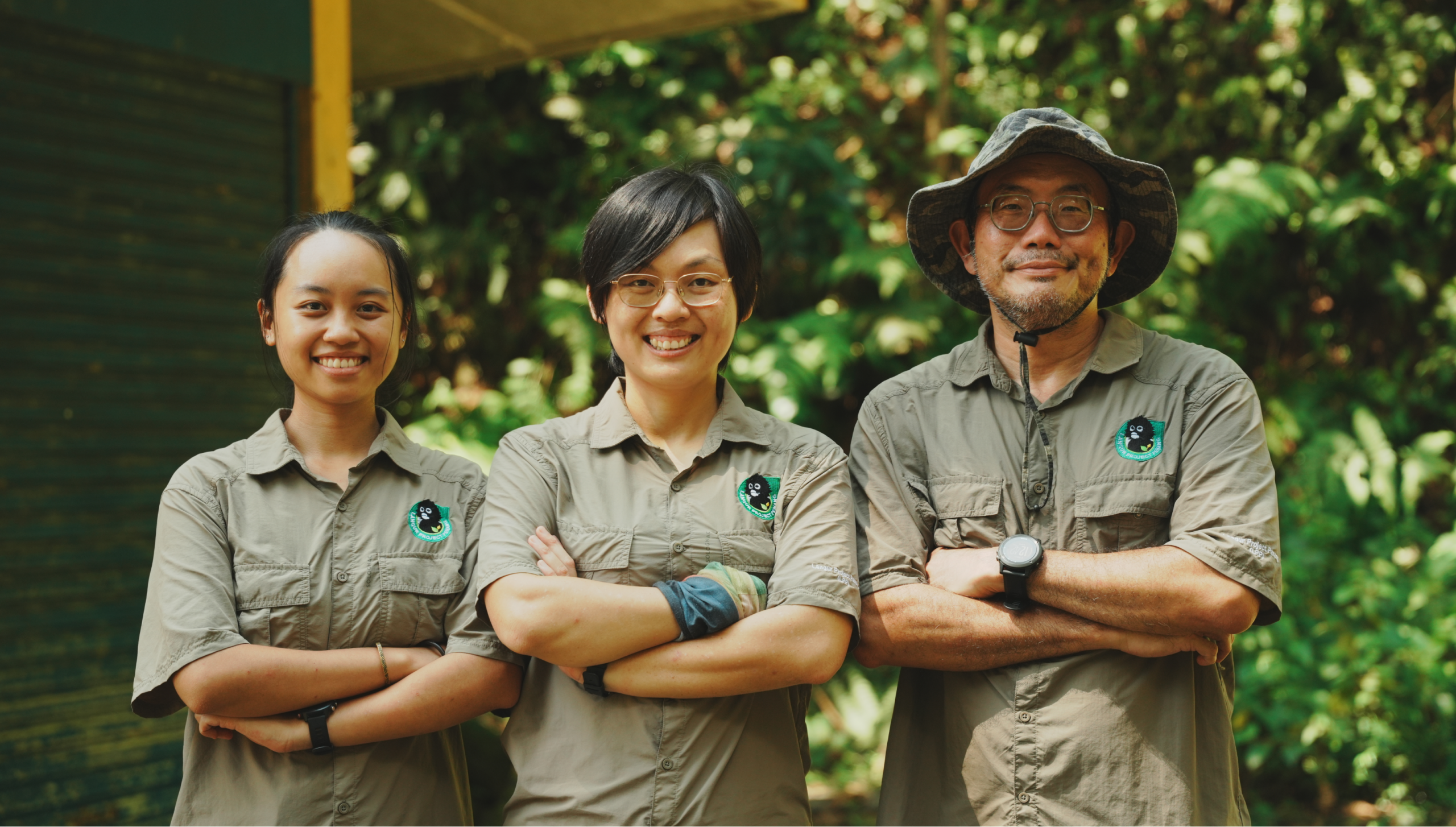
Langur Project Penang (LPP) is a primate conservation enterprise dedicated to promoting coexistence between humans and urban monkeys through citizen science-based field research, community science, and environmental education initiatives.
Through its work, LPP collaborates with residents, authorities, and various stakeholders across project sites to address social and environmental issues linked to urban monkeys, including negative human-monkey interactions, wildlife feeding, and inadequate waste management practices.
Team Leader
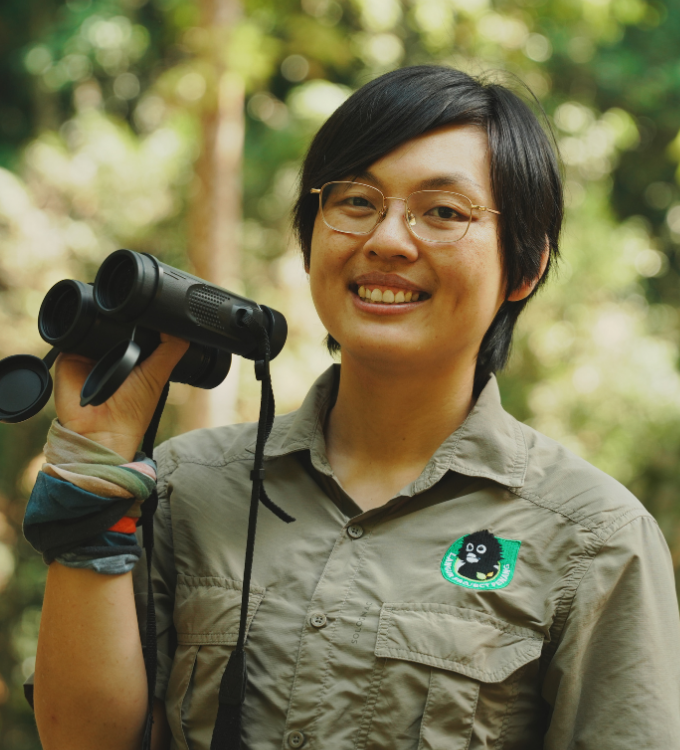
Yap Jo Leen
Dr Yap Jo Leen is the driving force behind Langur Project Penang, serving as its leader, lead researcher, and chief environmental educator. As a wildlife researcher and certified nature guide, she oversees the organisation’s research and conservation efforts, from fieldwork to the development of practical solutions such as the road canopy bridges.
She was also the first Malaysian to be recognised as an NAAEE 30 Under 30 awardee, reflecting her commitment to inspiring greater environmental stewardship and coexistence between people and wildlife.
Social Enterprise