

Balay Balay Architecture Puzzles
Preserving Mindanao’s Architectural Heritage Through Play and Craft
Factbox
Location
Davao, Philippines
Grant Period
July 2018 - June 2019
Grant Amount
PHP 706,500
Beneficiaries
20 Families
Focus Area

Overview
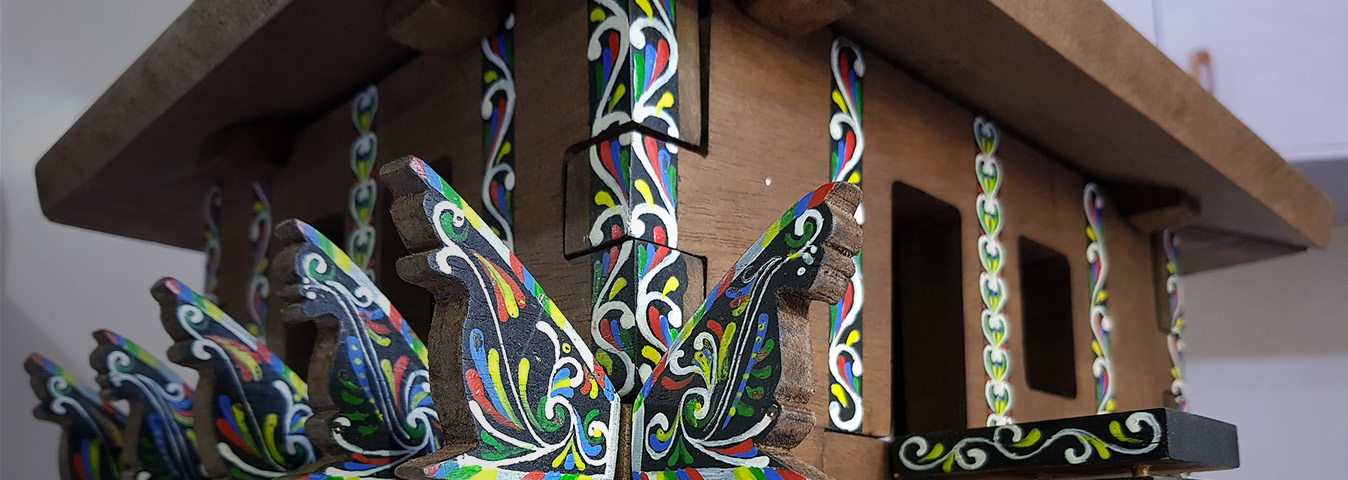
Balay Balay Architecture Puzzles brings the beauty of traditional Mindanao architecture to life through wooden model kits crafted by indigenous artisans. By turning heritage into play, the social enterprise helps document endangered tribal house designs, provides sustainable livelihoods, and inspires a new generation to value the Philippines’ cultural roots.
Impact At A Glance
- Traditional Mindanao houses recreated as interactive wooden puzzles
- Indigenous artisans from the Ata and Manguanggan tribes trained in carpentry and painting
- Sustainable materials like engineered bamboo used for production
- Increased income opportunities through puzzle-making and heritage workshops
The Challenge
In Mindanao, traditional tribal houses are disappearing faster than they can be documented.
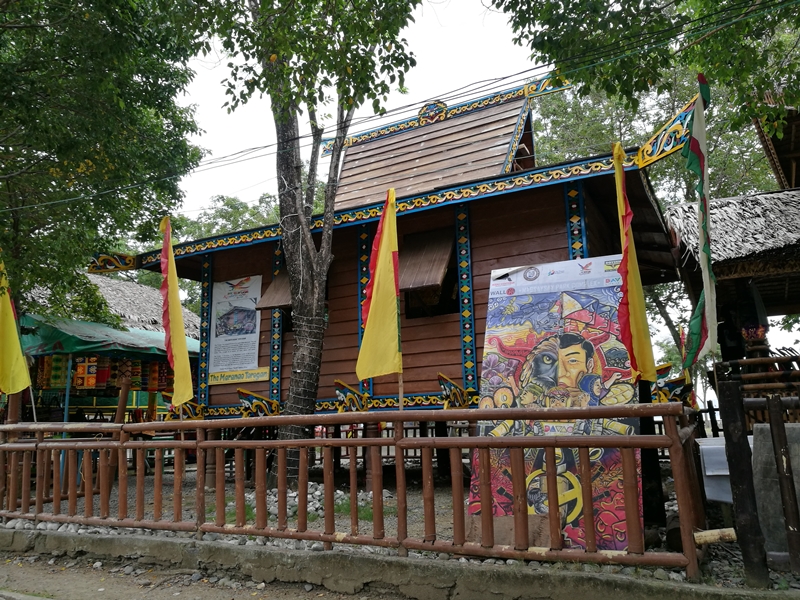
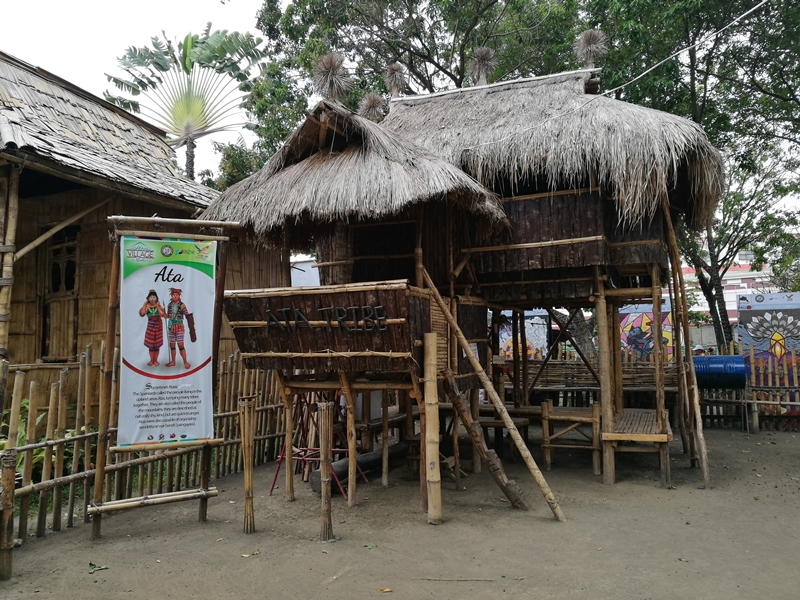
Centuries of colonisation and rapid urbanisation have left the Philippines with few surviving examples of pre-colonial architecture. Across the country, conservation efforts often focus on colonial-era buildings, while indigenous structures — the true vernacular expressions of Filipino identity — are left to decay.
In Mindanao, this loss is especially urgent. The traditional homes of many indigenous groups are falling apart, their details unrecorded and their stories untold. Each collapsed roof or missing beam represents not just a physical loss, but the fading of cultural memory itself.
The Solution
Balay Balay turns heritage preservation into hands-on learning.
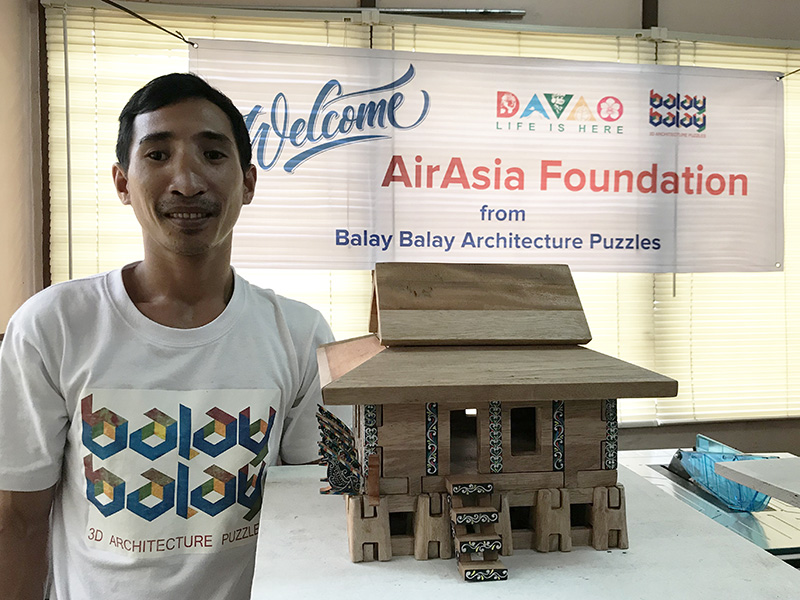
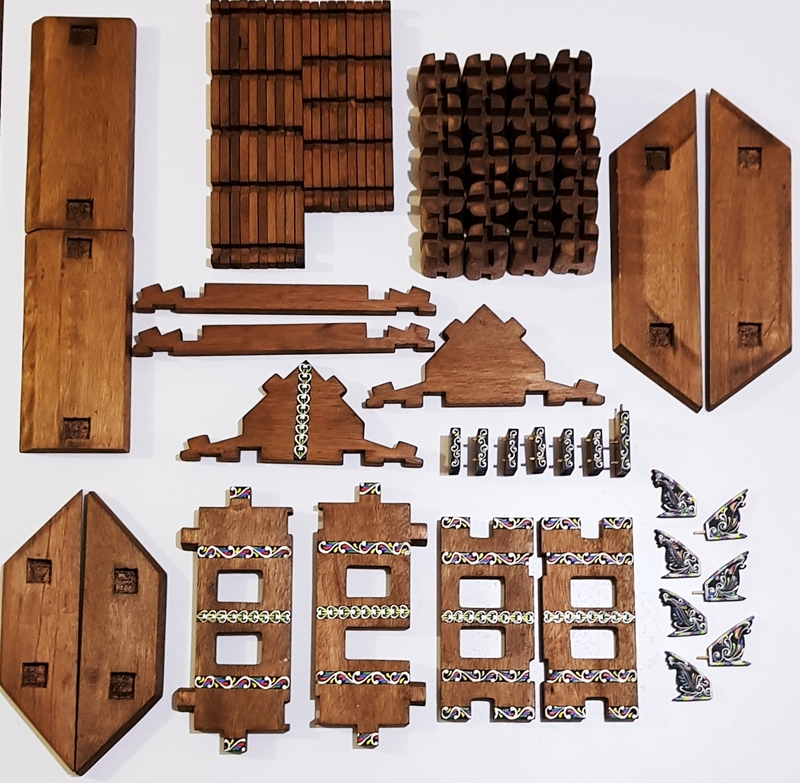
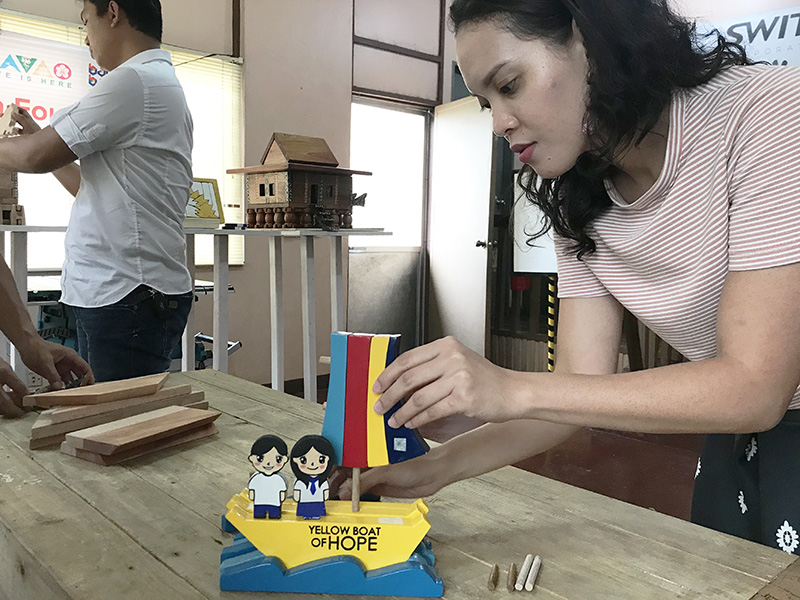
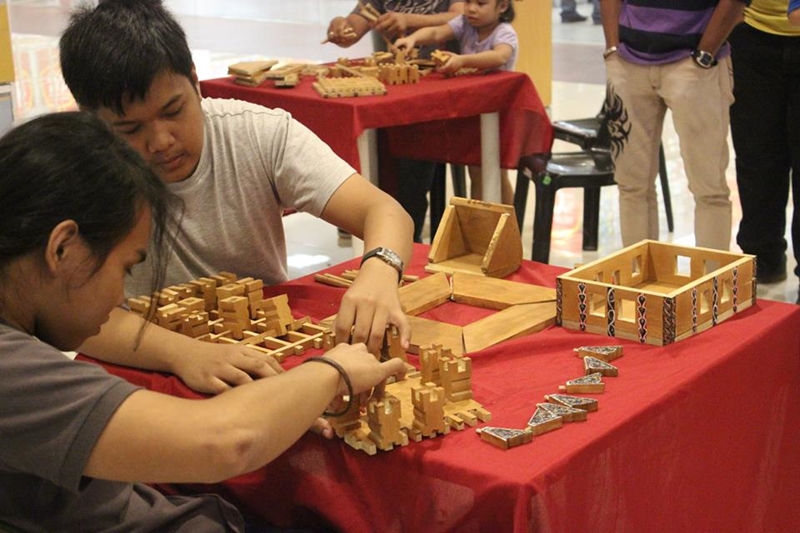
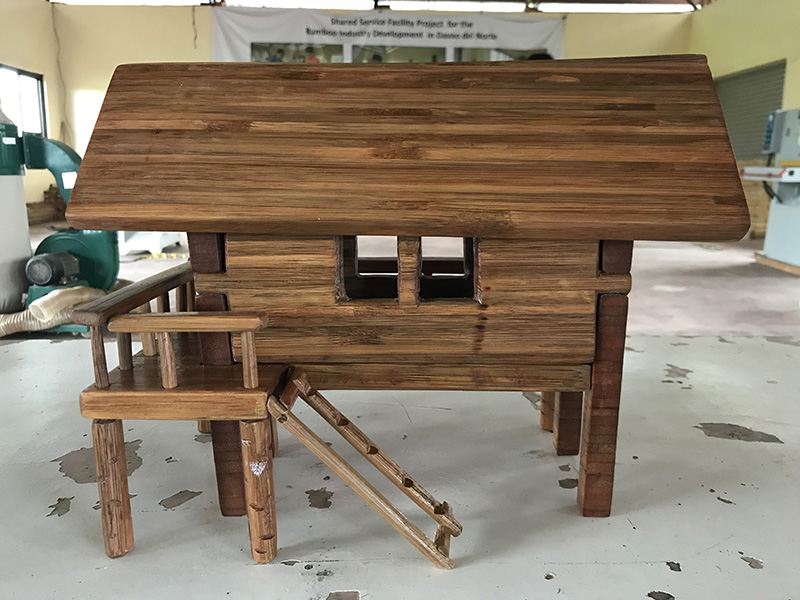
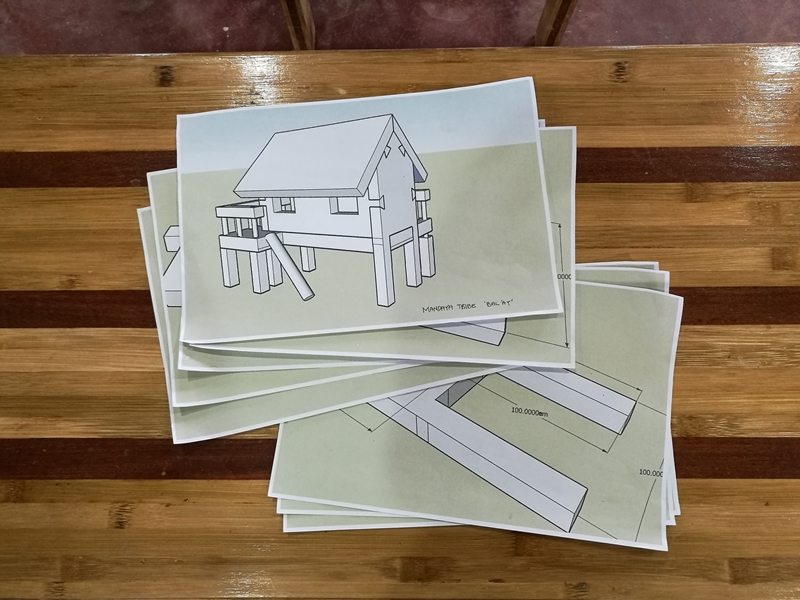
Founded by a group of young architects and storytellers under Switotwins, Inc., Balay Balay (meaning playhouse in Bisaya) documents traditional Mindanao architecture by transforming it into small-scale puzzles of tribal houses.
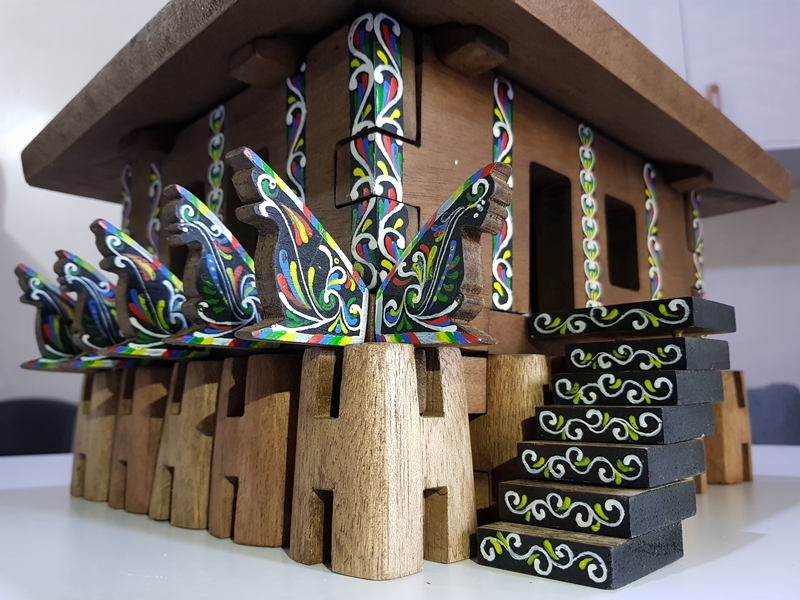
Their first design — a model of the Torogan, the stately ancestral house of the Maranao elite — celebrates what the National Museum of the Philippines has declared a National Cultural Treasure.
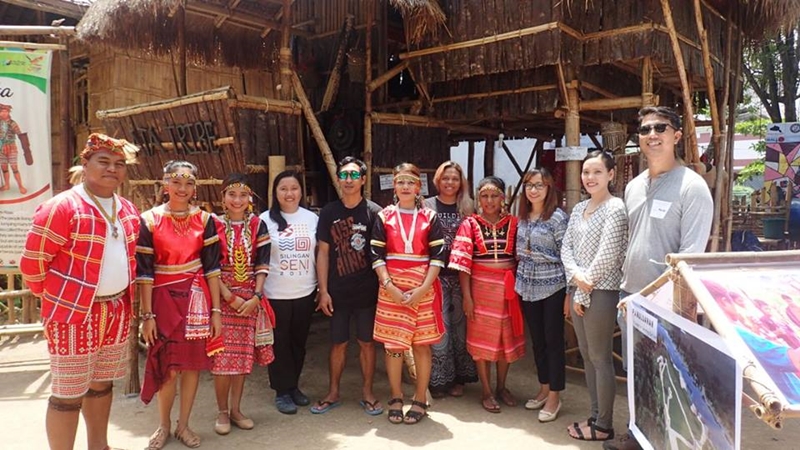
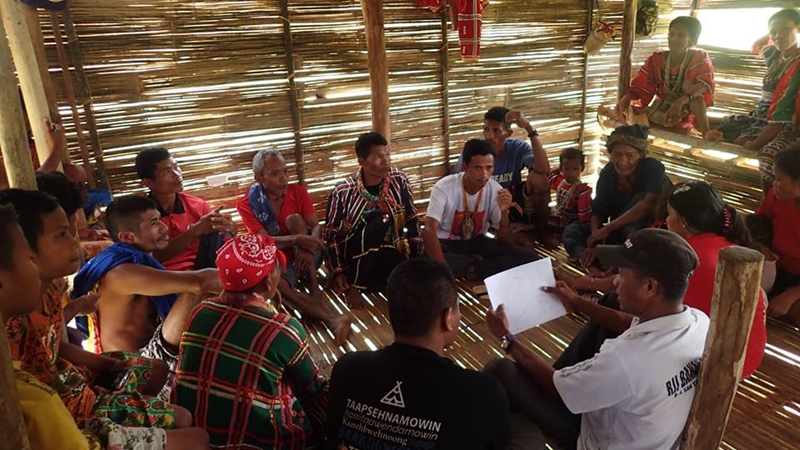
To produce these intricate replicas, Balay Balay works with indigenous artisans from the Ata tribe of Paquibato and the Manguanggan tribe of Davao del Norte, providing skills training in carpentry, assembly, and painting. The project not only safeguards traditional design knowledge but also offers sustainable livelihoods.
As part of its commitment to sustainability, Balay Balay has also begun using engineered bamboo, a renewable and lightweight material that mirrors the look of traditional tribal homes.
See how it works:
The Grant with AirAsia Foundation
AirAsia Foundation’s grant helps Balay Balay expand production, train more artisans, and bring heritage learning to new audiences.
Through this support, the social enterprise will:
- Purchase new tools and equipment to increase puzzle production capacity
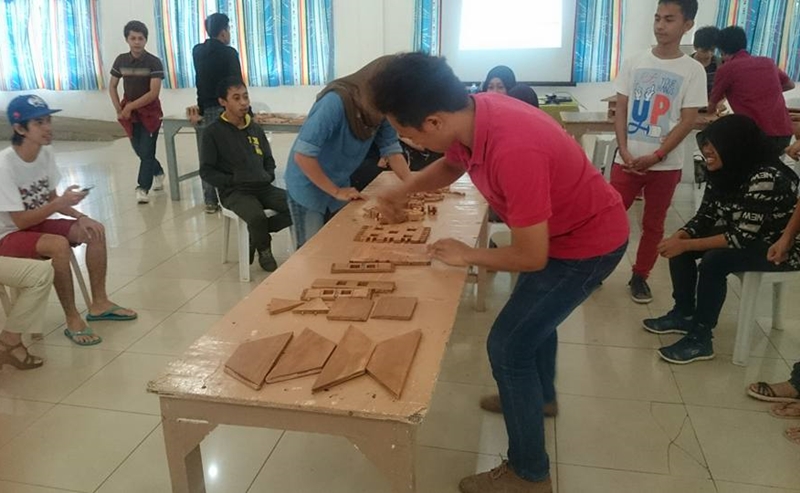
- Develop trade skills among indigenous communities through wooden puzzle workshops
- Train artisans in carpentry and painting to improve employability
These initiatives enable Balay Balay to meet rising demand while deepening its social and cultural impact — preserving the stories of Mindanao’s architecture one handcrafted puzzle at a time.
Gallery
The Organisation
Balay Balay
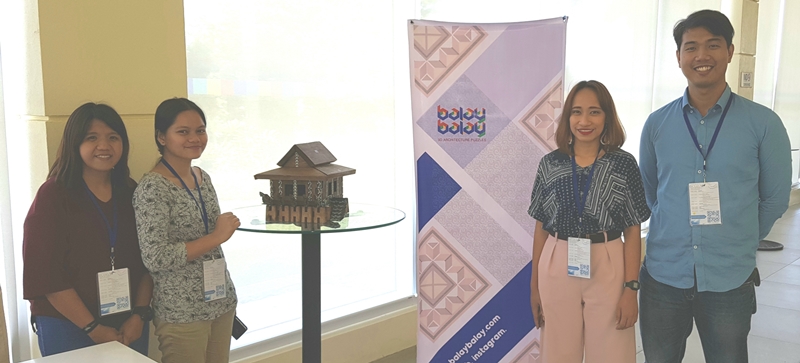
Balay Balay is a social enterprise by Switotwins, Inc., founded in 2015 by young architects and storytellers with a shared passion for cultural preservation. Its mission is to nurture appreciation for Philippine architecture through interactive play while creating sustainable livelihoods for indigenous communities in Mindanao.
Looking ahead, Balay Balay plans to expand distribution of its architectural puzzles to schools and customise designs as educational souvenirs for NGOs, government agencies, and cultural institutions.
Team Leader

Marben Picar
Marben Picar, co-founder of Switotwins, Inc., began as a media marketer and project manager before taking the lead in production and sustainable sourcing for Balay Balay. He now oversees material innovation, artisan training, and workflow optimisation — often working side by side with local craftsmen.
For Marben, the joy lies not only in preserving Mindanao’s architectural heritage, but in seeing indigenous artisans take pride in their craft — and their culture — once again.
Social Enterprise