

SwaraOwa Gibbon Conservation
Protecting Javan Gibbons Through Coffee


Factbox
Location
Central Java, Indonesia
Grant Period
Dec 2025 - Nov 2026
Grant Amount
IDR 291,500,000
Beneficiaries
25 hunters/farmers
Focus Area

Overview
SwaraOwa is an Indonesian conservation organisation working in Central Java to protect the endangered Javan gibbon through habitat restoration and community-based livelihoods. By linking shade-grown coffee production with forest conservation, SwaraOwa creates sustainable income opportunities for local communities while safeguarding critical ecosystems.
Impact At A Glance
- 35 ex-hunters transitioned to coffee farmers with alternative income source
- Additional 25 hunters/farmers to be trained in shade-grown coffee farming
- 22% increase in Javan gibbon population from 2012 to 2023, shade-grown coffee farming and conservation may be one of the factors
The Challenge
Javan gibbons are under threat as economic pressures drive habitat loss and poaching.
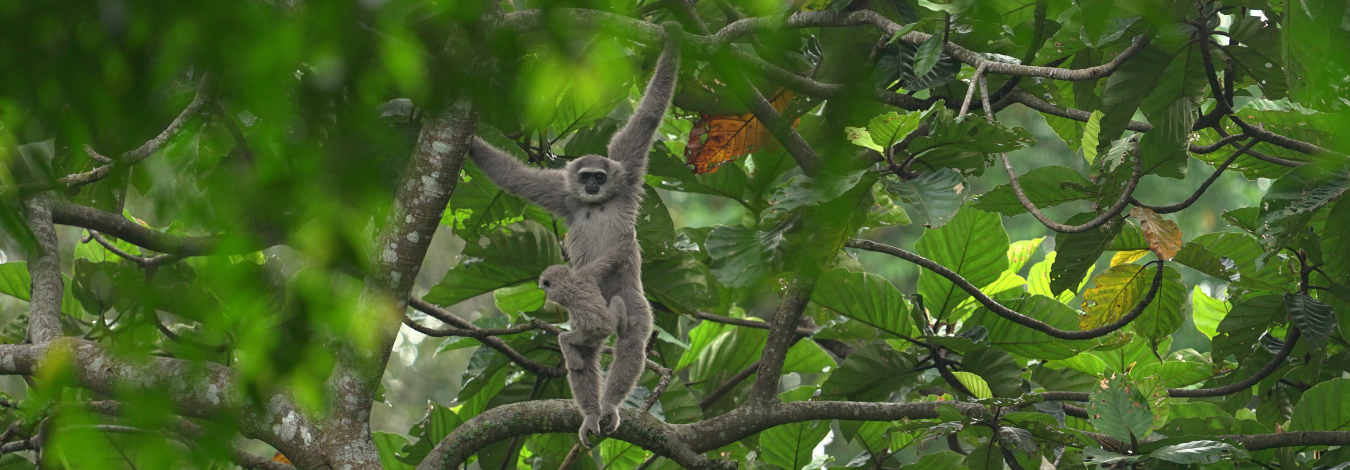
Indonesia is home to 45% of the world’s gibbon species, yet many populations live outside protected conservation areas. The Javan gibbon (Hylobates moloch), endemic to Java, is classified as endangered and faces increasing threats from habitat fragmentation, forest resource exploitation, and illegal hunting.
These challenges are closely tied to the economic realities of local communities. For many, poaching and forest exploitation are not deliberate choices, but last-resort livelihood strategies driven by limited income opportunities.
The Solution
SwaraOwa integrates conservation and livelihoods through a community-led agroforestry model.
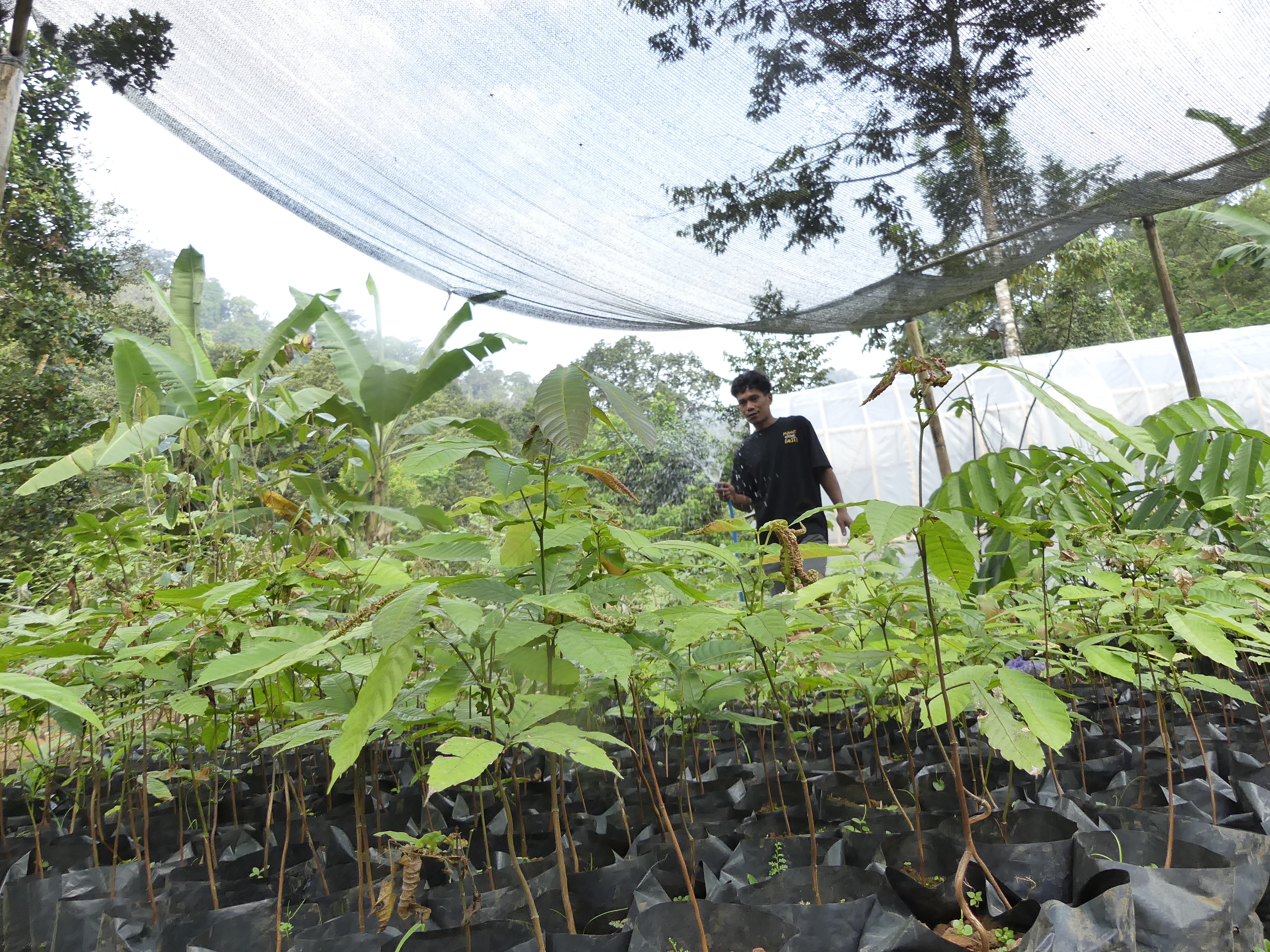
SwaraOwa focuses on both gibbon conservation and habitat rehabilitation, including planting native fruit trees and establishing forest corridors along river borders to reconnect fragmented habitats. Since 2015, the organisation has planted 12,000 trees to support ecosystem recovery.
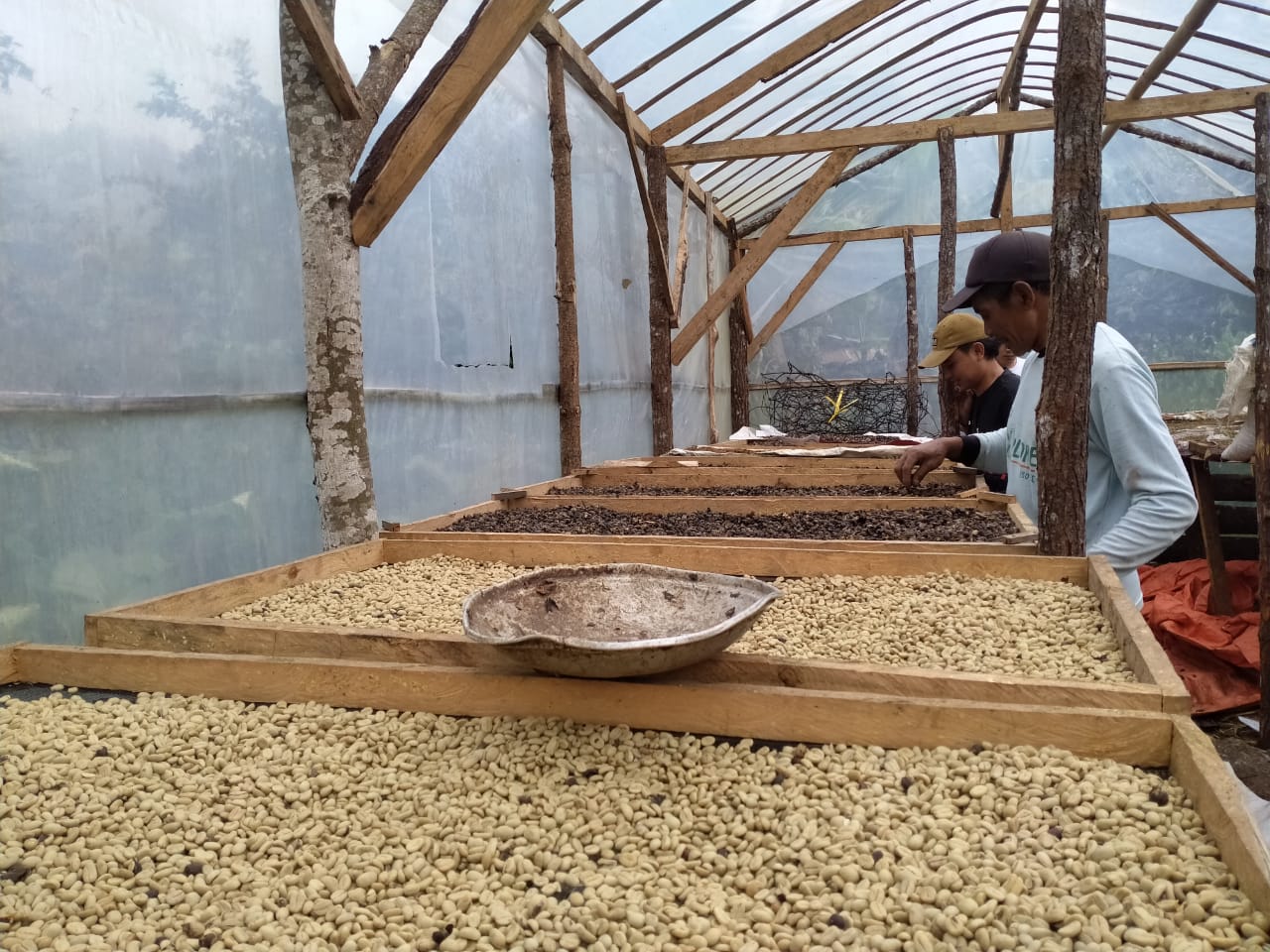
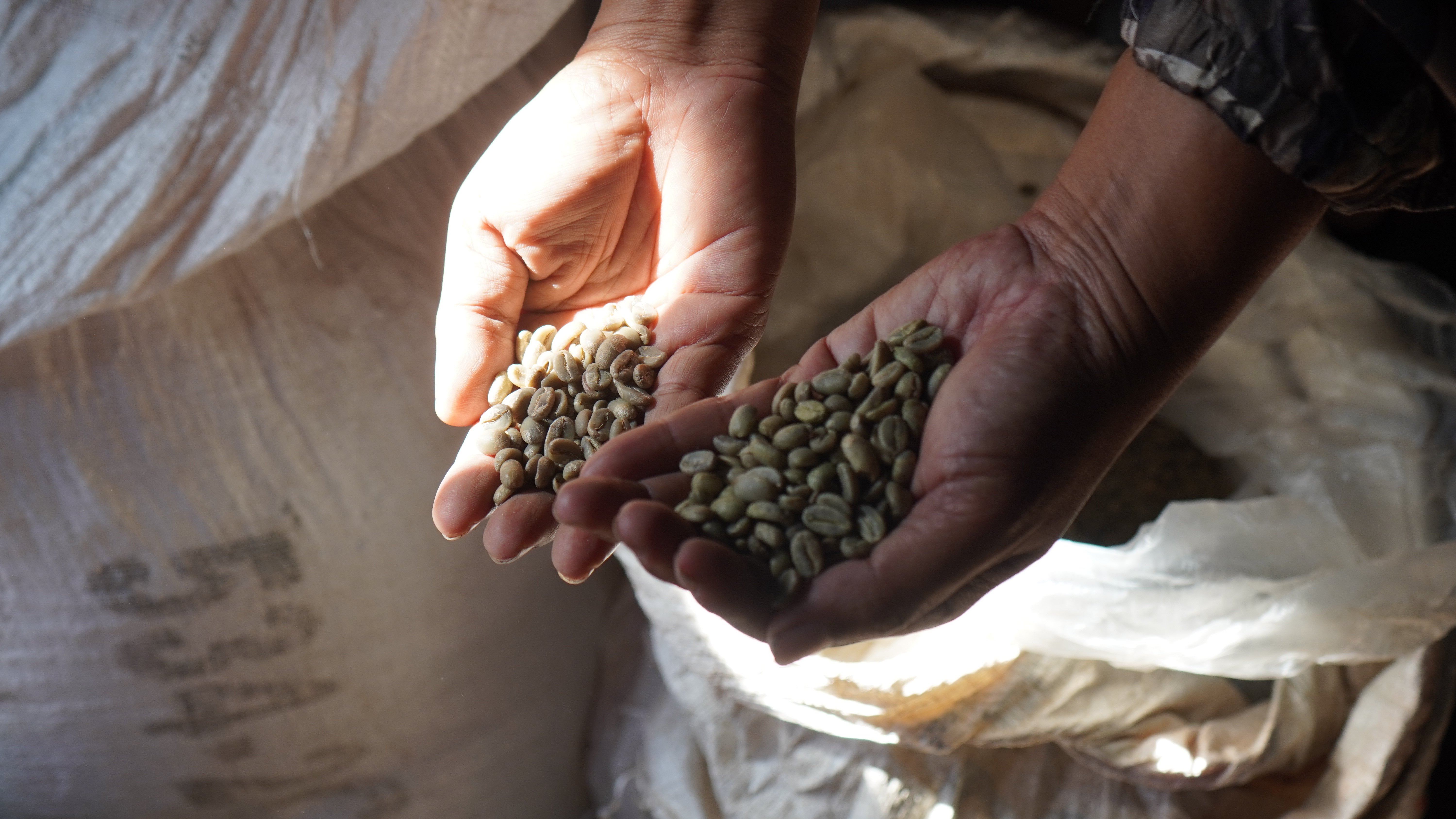
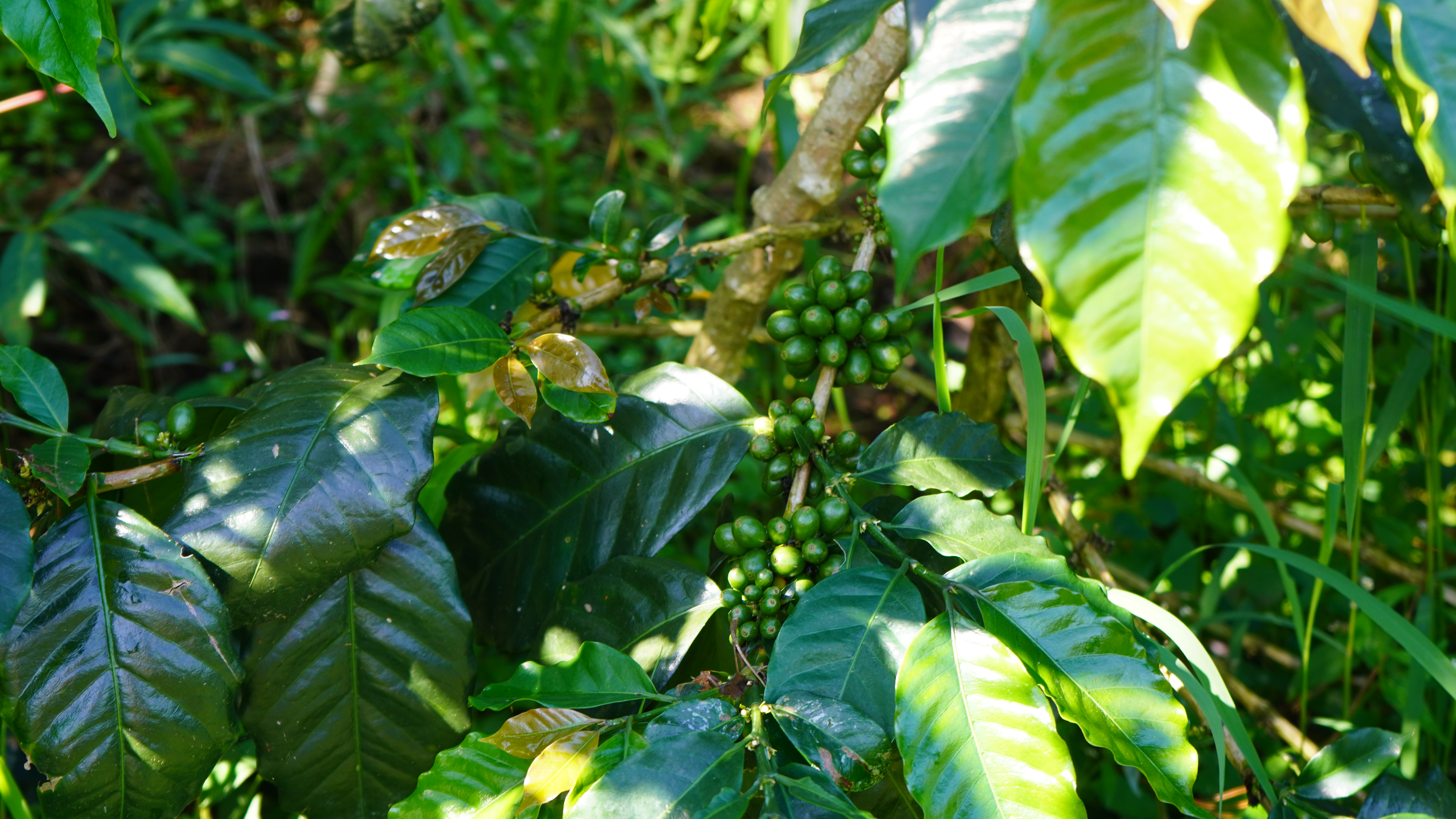
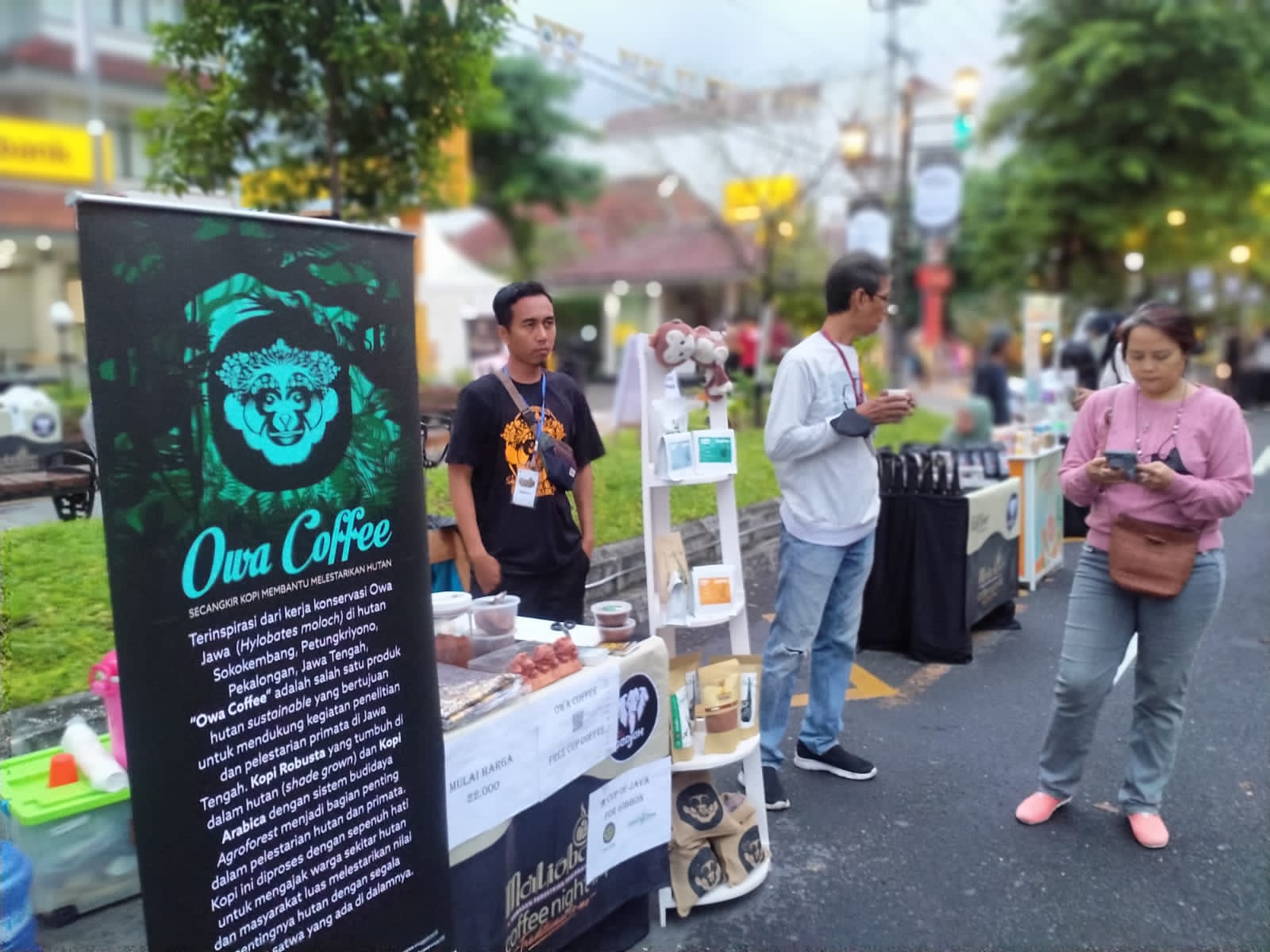
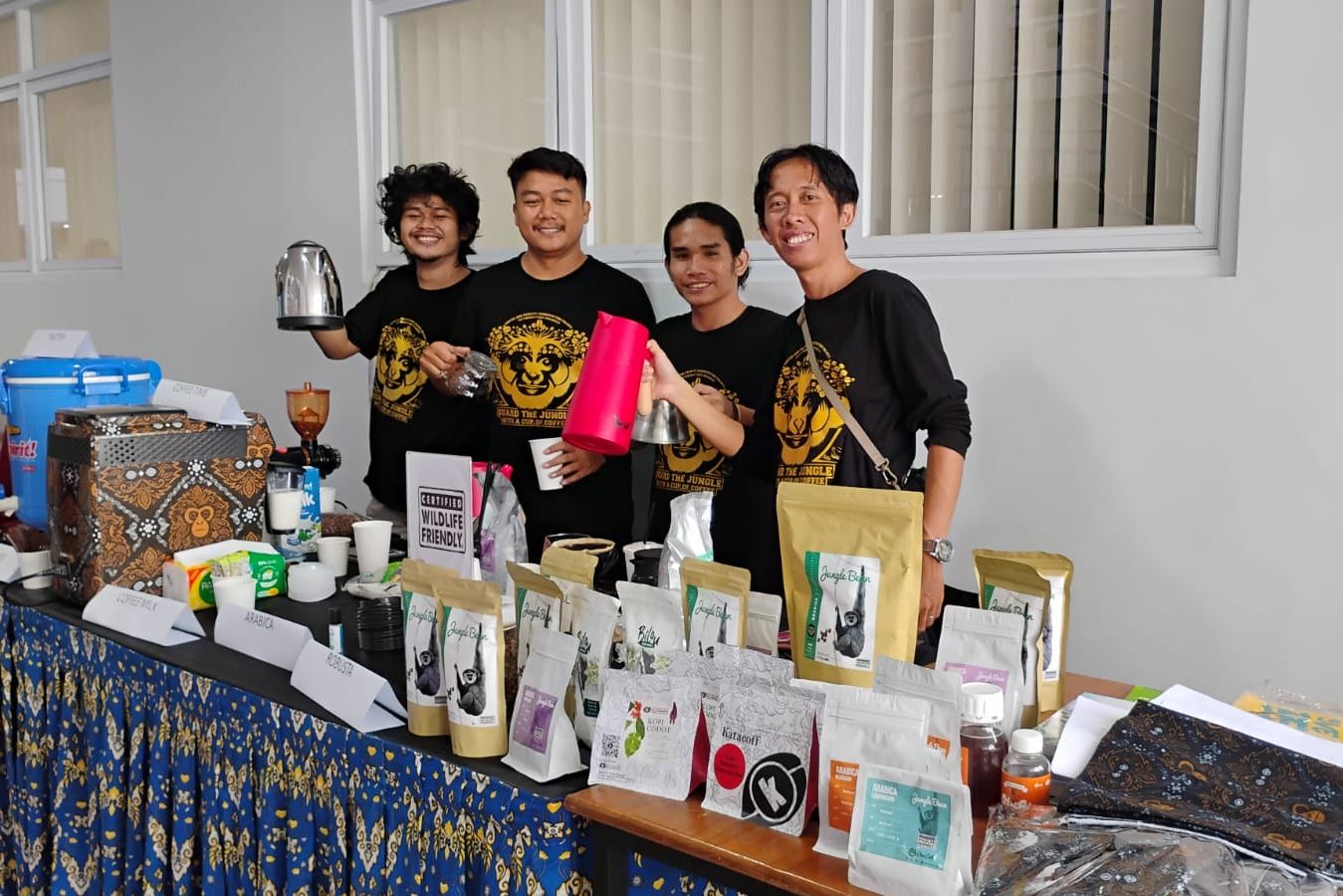
To address the root causes of poaching, SwaraOwa developed a coffee and primate conservation initiative that links forest preservation with sustainable income generation. Through its coffee brand, Owa Coffee, the organisation promotes shade-grown coffee farming, encouraging farmers to protect forest canopies that are essential for gibbon habitats.
This model creates alternative sources of income as coffee farmers and also generates new roles such as coffee processors, roasters, and baristas. Profits from Owa Coffee are reinvested into a Habitat Patrol and Monitoring Team, led by trained farmers, to protect gibbons in the wild.
The initiative aims to increase family incomes by 70–120% and reduce poaching incidents by 20% within a year, transforming former exploiters into active gibbon guardians.
“I feel proud and at peace.”
– Pak Kasturi, an ex-hunter turned coffee farmer
The Grant with AirAsia Foundation
AirAsia Foundation’s grant strengthens SwaraOwa’s coffee-based conservation model and expands its reach to more communities.
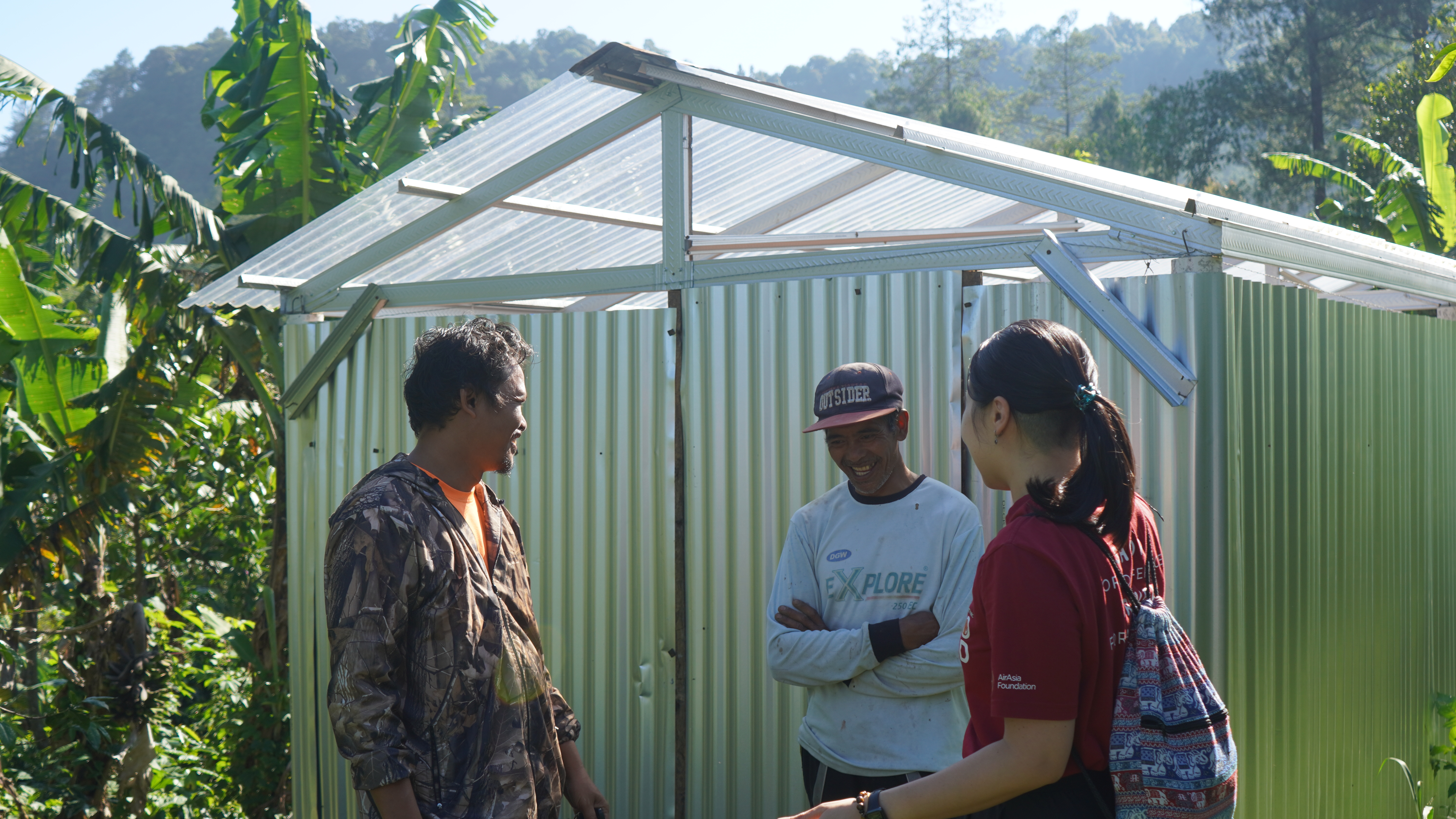
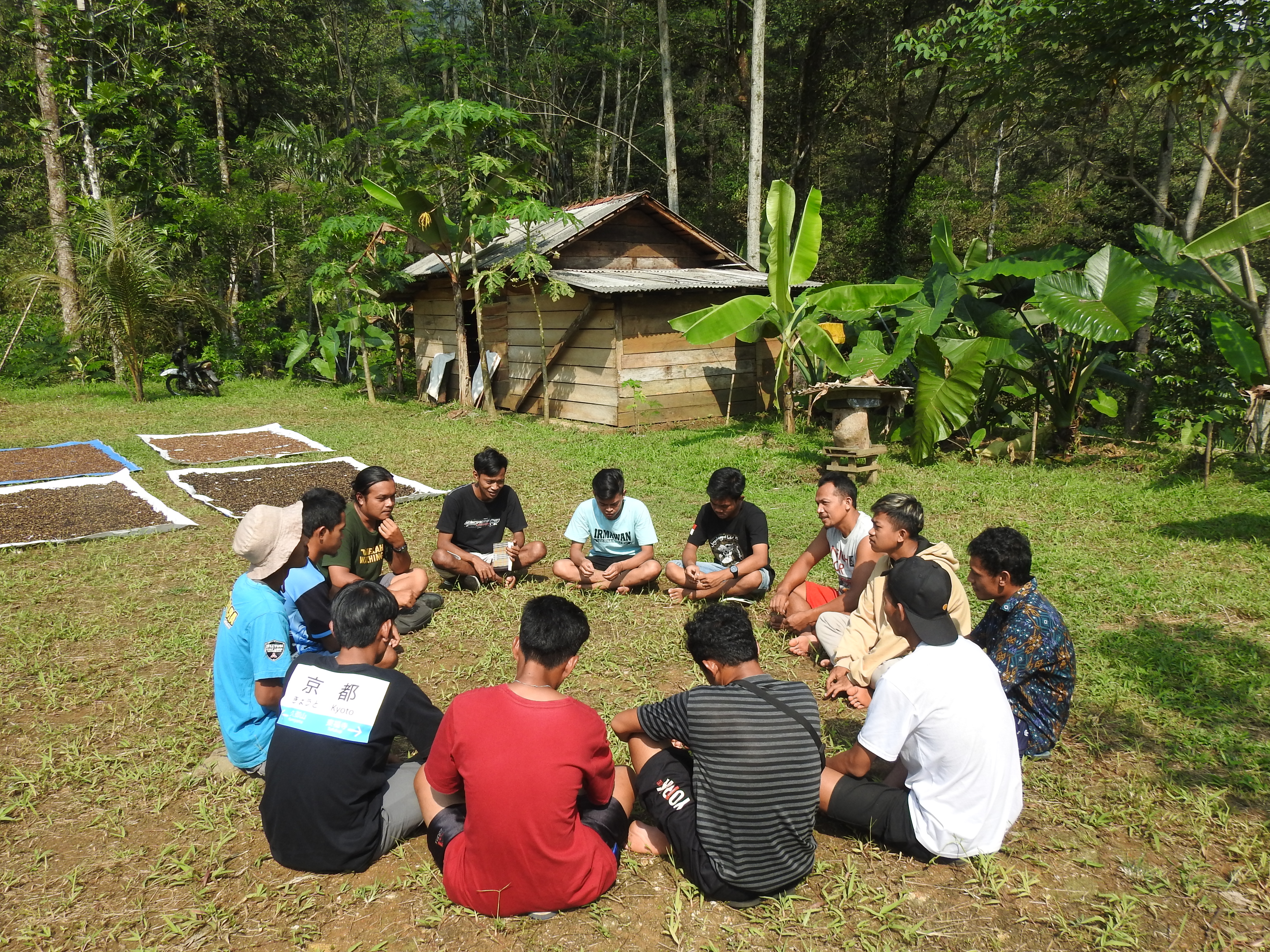
- Training 25 hunters and farmers in shade-grown coffee across two villages
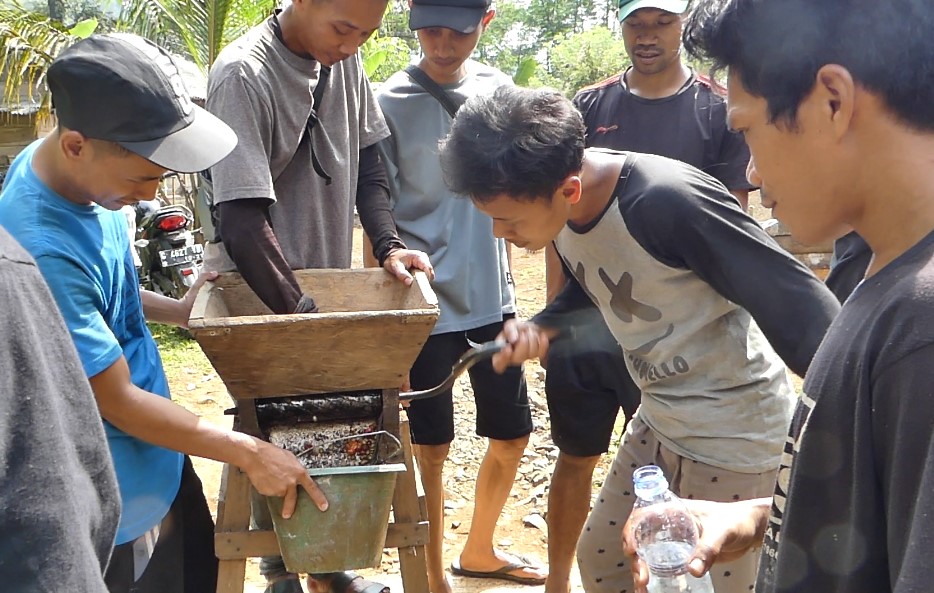
- Increasing production capacity through the purchase of coffee processing equipment
- Expanding market access and brand recognition through education and marketing outreach
This support enables SwaraOwa to scale its impact, growing sustainable livelihoods while strengthening long-term protection for Javan gibbon habitats.
Gallery

The Organisation
SwaraOwa
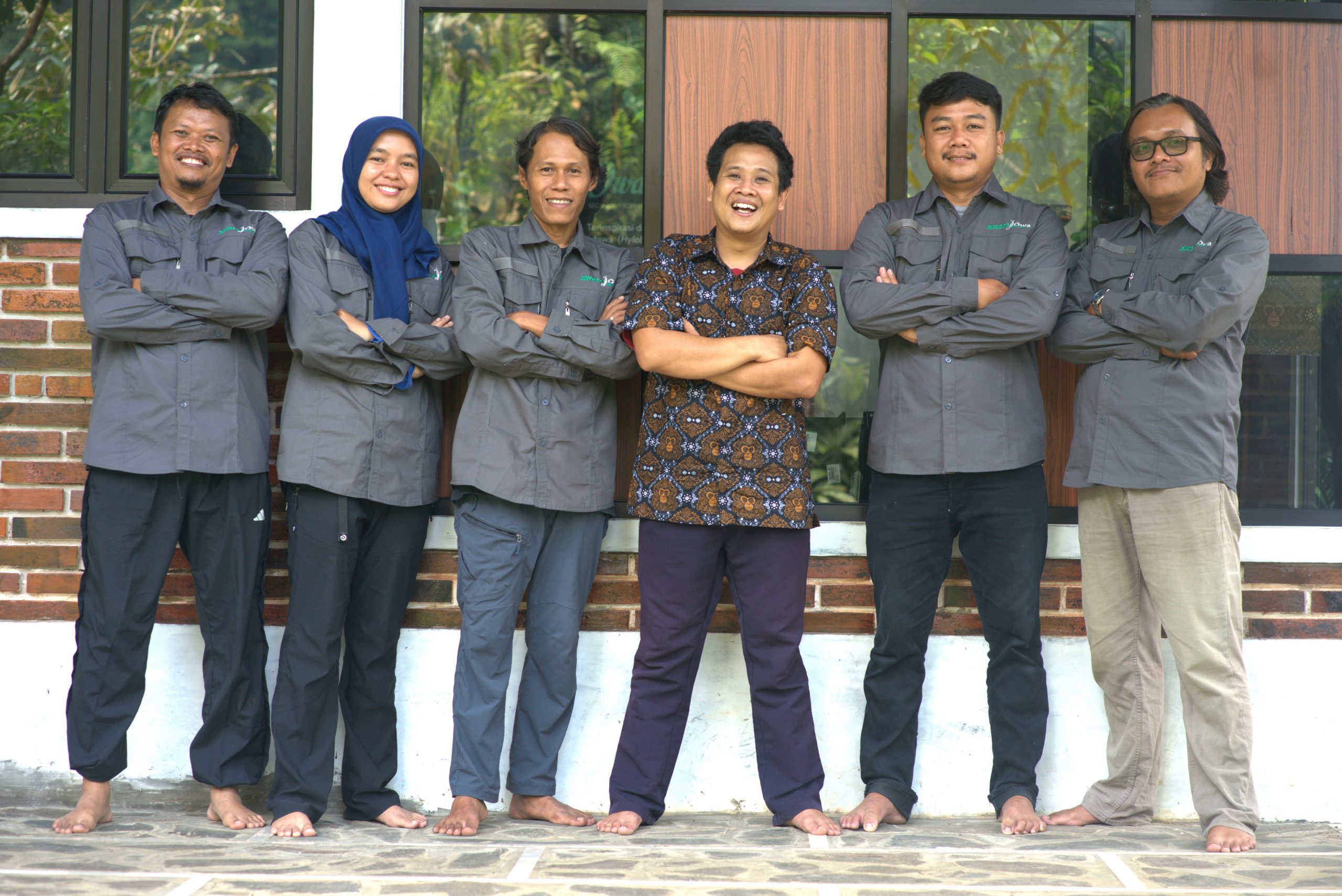
SwaraOwa, meaning “gibbon voice” in Bahasa Indonesia, is a youth-led conservation organisation dedicated to protecting endangered primates and their habitats. The team consists of Indonesian natives committed to advancing field-based conservation and community engagement.
Their work focuses on integrating scientific research, habitat restoration, and community-driven solutions to ensure the long-term survival of Indonesia’s primate species.
Team Leader
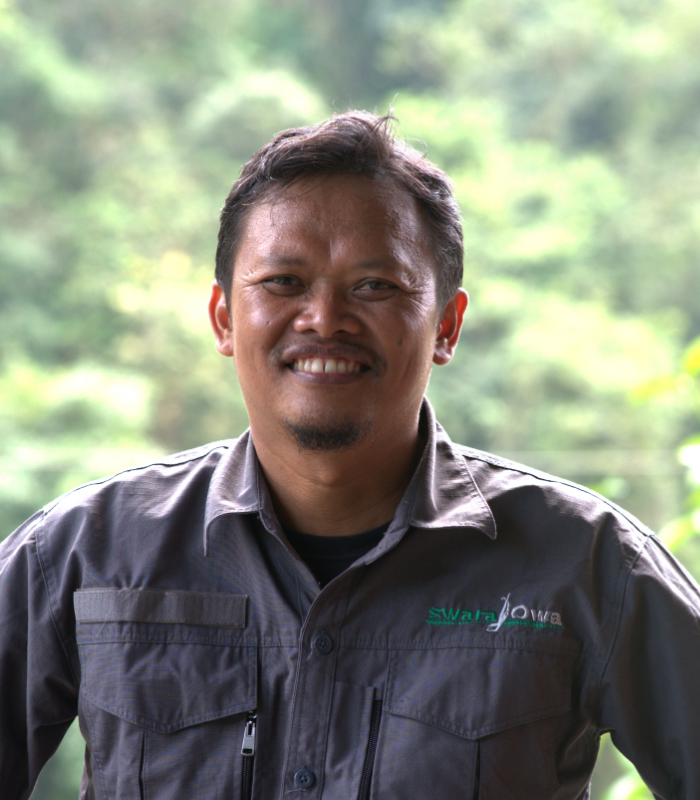
Arif Setiawan
Arif Setiawan (Wawan), founder of Yayasan SwaraOwa, is an Indonesian primatologist, researcher, and conservationist known for his work in field-based research and protection of Indonesian primates, particularly the Javan gibbon. His approach centres on engaging local communities, turning primate conservation and forest protection into sustainable, community-friendly activities that benefit both people and wildlife.
Social Enterprise