

Tonibung Renewable Energy Fund
Bringing Renewable Energy to Remote Indigenous Villages
Factbox
Location
Borneo, Malaysia
Grant Period
July 2013 - On-going
Grant Amount
MYR 96,305
Beneficiaries
62 Families
Focus Area

Overview
Tonibung’s Renewable Energy Fund enables indigenous villages in rural Malaysia to access affordable micro-hydro power while supporting community-led development.
Impact At A Glance
- Micro-hydro systems installed in remote indigenous villages
- Interest-free financing model enabling communities to purchase turbines
- Renewable electricity powering rural processing and small enterprises
- Repayments reinvested to expand electrification to additional villages
The Challenge
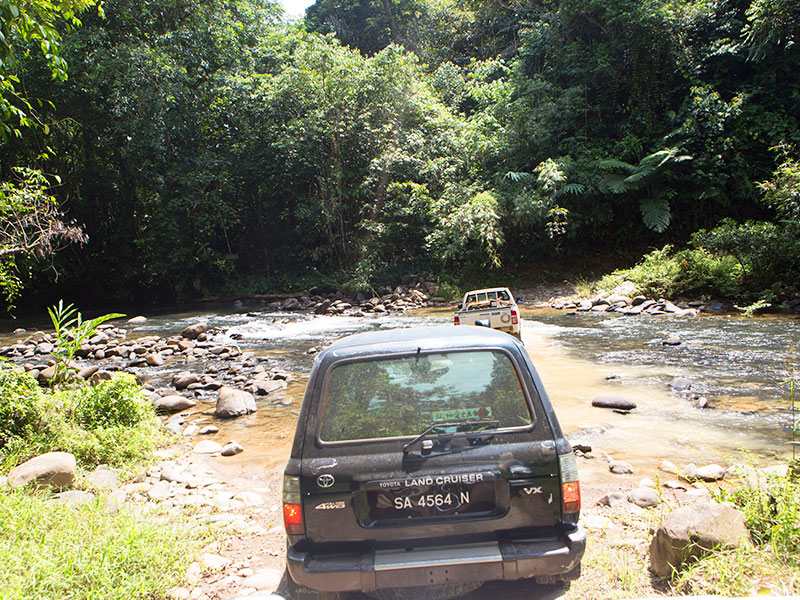
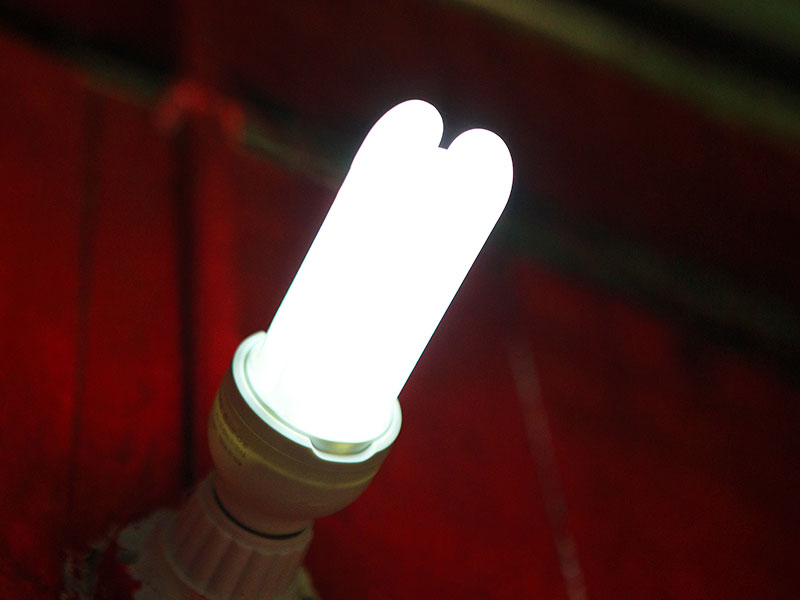
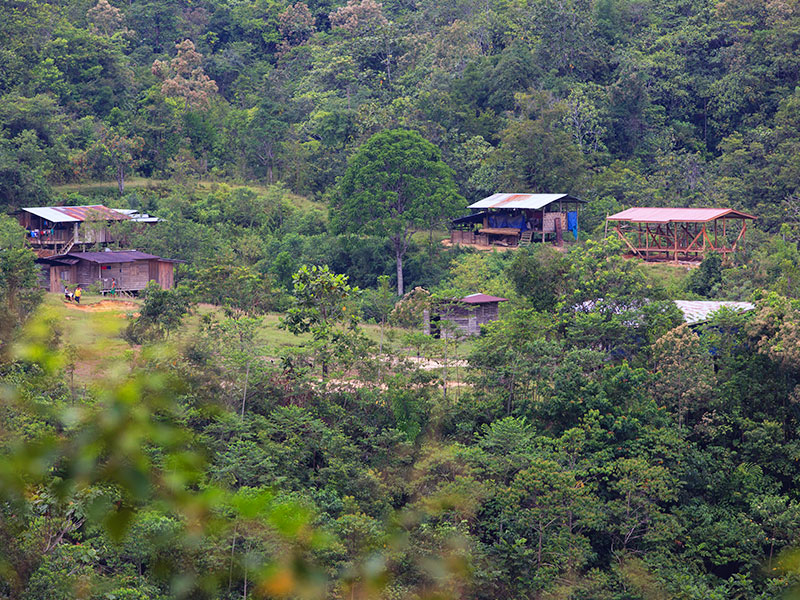
Across rural Malaysia, thousands of indigenous villages remain geographically isolated and beyond the reach of the national electricity grid. As a result, many communities depend on wood fires, diesel generators and kerosene lamps to meet basic energy needs.
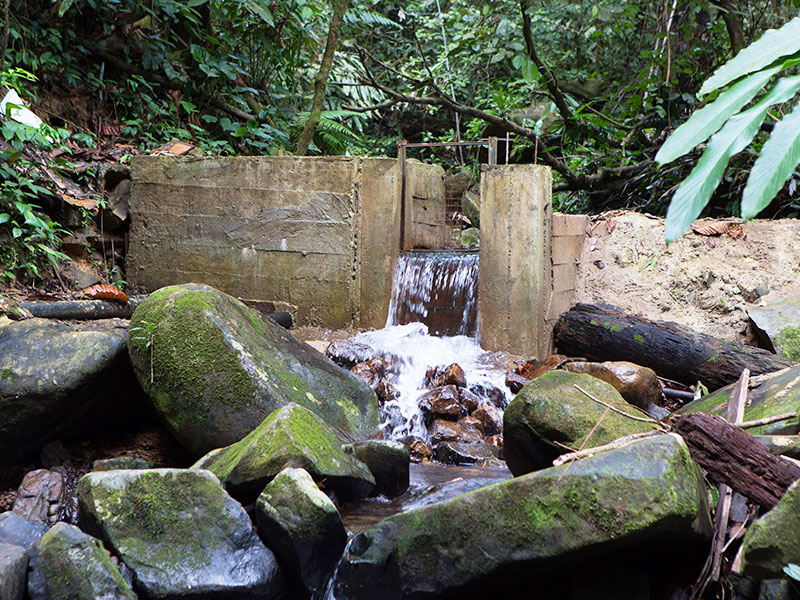
This limited access to reliable electricity restricts opportunities for economic development and makes it difficult for communities to improve living conditions. Although renewable alternatives such as micro-hydro systems can generate between 5kW and 20kW of electricity, the high upfront cost of installation often prevents villages from adopting these solutions.
In response to these challenges, indigenous activists began experimenting with renewable energy technologies to support the modest power needs of remote communities. Through international development grants, they successfully installed micro-hydro systems in several villages. However, the fluctuating availability of development funding created uncertainty around the long-term expansion of rural electrification efforts.
The Solution
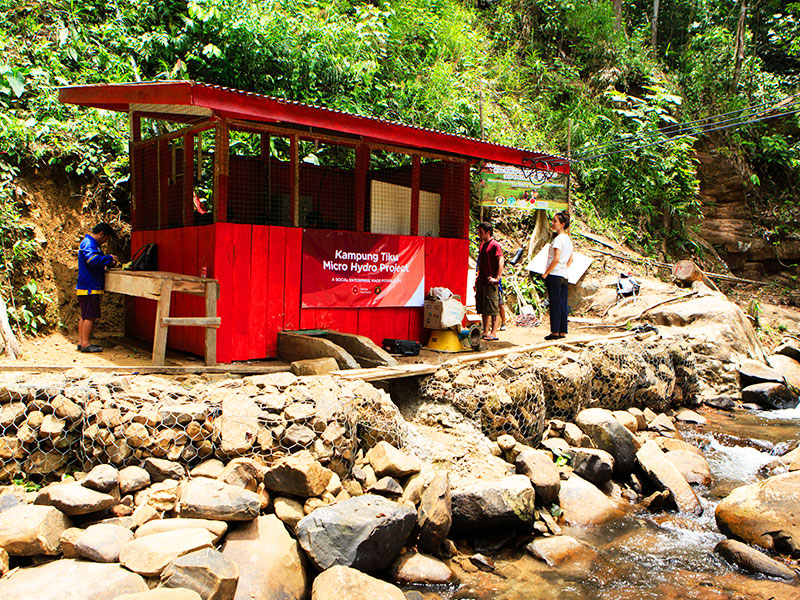
Tonibung developed a revolving Renewable Energy Fund that allows villages to install micro-hydro systems through an affordable community financing model.
Under the scheme, Tonibung equips participating villages with micro-hydro turbines financed through interest-free loans from the Renewable Energy Fund. Communities repay the loans progressively over a three-year period, making the technology accessible without requiring large upfront payments.
Funds repaid by participating villages are returned to the Renewable Energy Fund, allowing new turbines to be installed in additional communities. This revolving mechanism ensures that the electrification programme can continue expanding even without reliance on external development grants.
Access to reliable renewable energy also enables villagers to establish small-scale enterprises such as rice milling, food processing and refrigeration of fish for transport to market. These activities create new economic opportunities while improving food security and household incomes.
The Grant with AirAsia Foundation
AirAsia Foundation’s grant established the Tonibung Renewable Energy Fund to help remote indigenous communities finance micro-hydro systems.
- Provide interest-free financing for villages to purchase shared micro-hydro turbines
- Establish a revolving fund where repayments support installation in new communities
This financing model enables rural electrification to expand sustainably while empowering indigenous villages to take ownership of their energy infrastructure.
Gallery

The Organisation
Tonibung
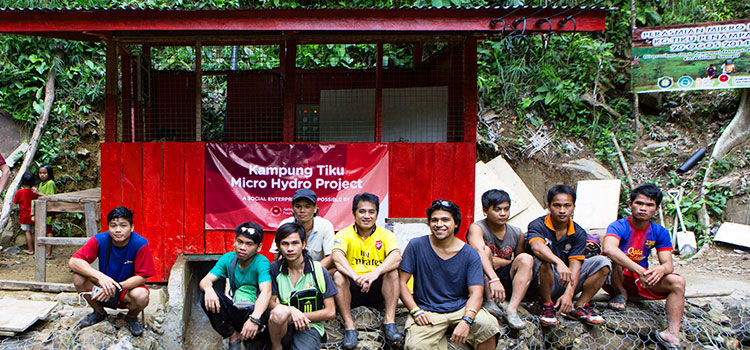
Tobpinai Ningkokoton Kuburuon Kampung (Tonibung), also known as Friends of Village Development, is a community-based non-profit organisation founded in 1993 to support disenfranchised rural communities.
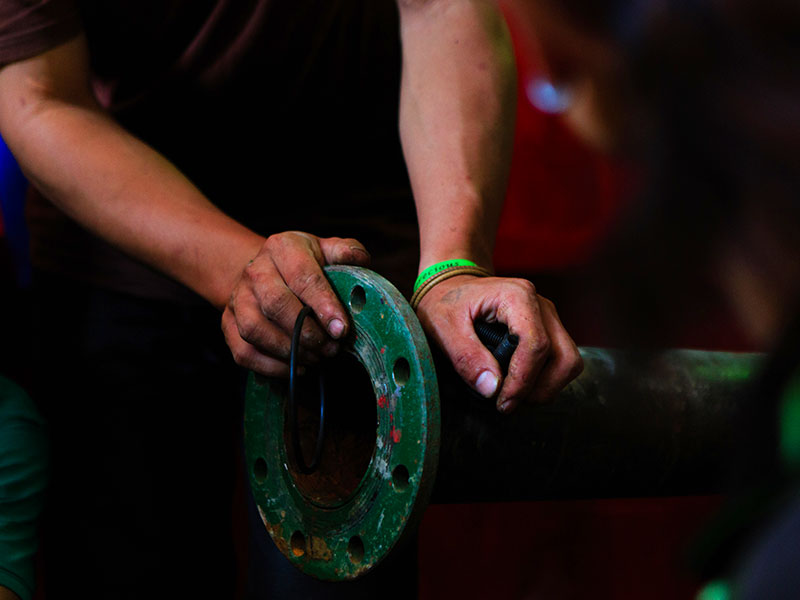
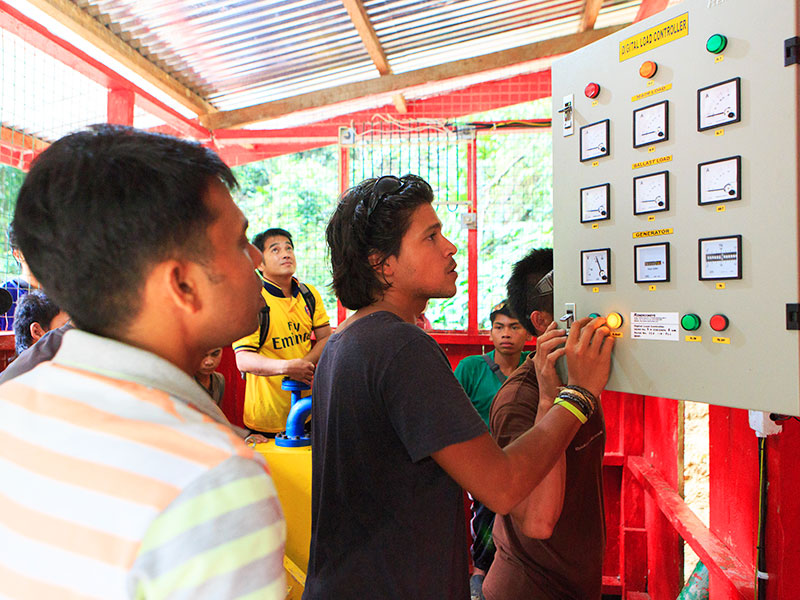
Tonibung’s work focuses on enabling rural electrification through micro-hydro and solar energy systems, training indigenous communities in resource management and supporting the development of micro-enterprises.
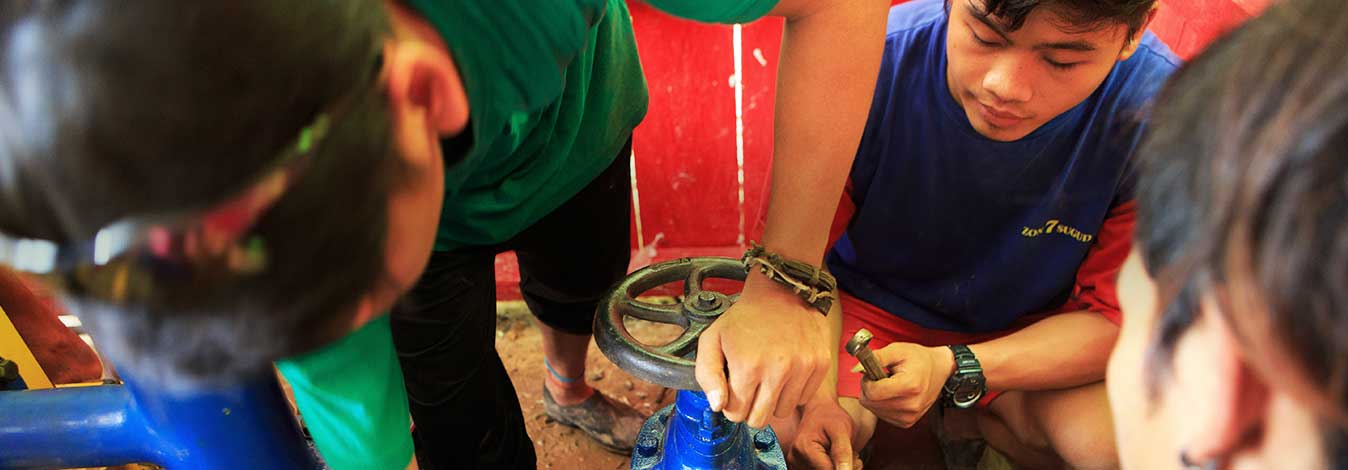
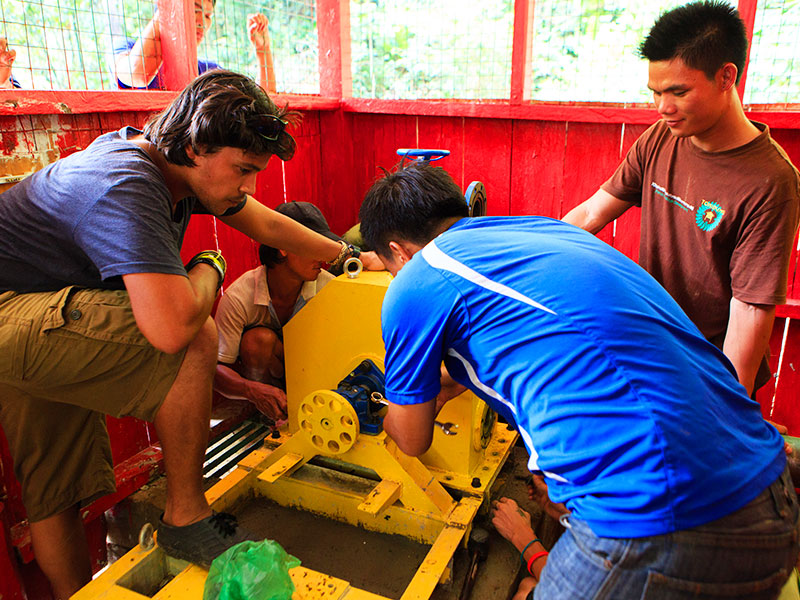
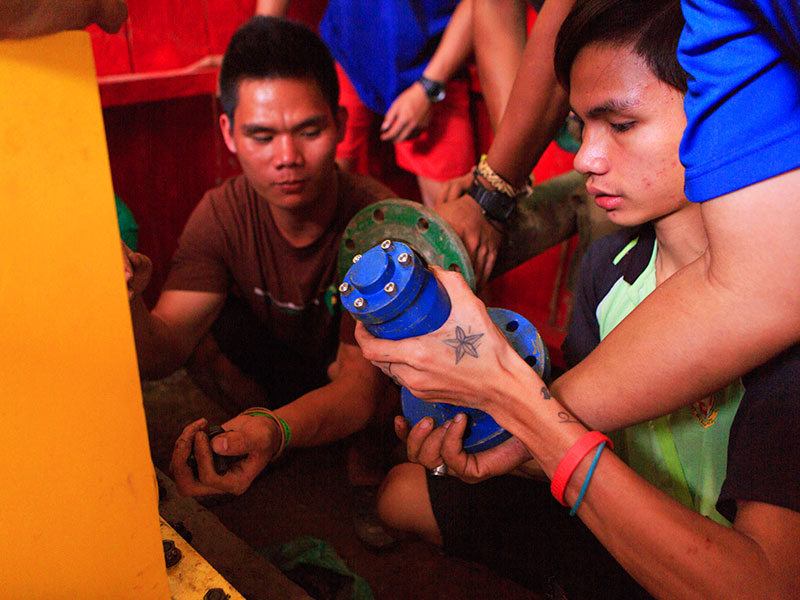
In 2013, the organisation launched the Centre for Renewable Energy and Appropriate Technology (CREATE), which serves as a training facility and micro-hydro assembly centre that also provides employment opportunities for indigenous youth.
Team Leader
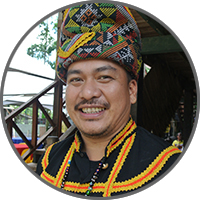
Adrian “Banie” Lasimbang
Adrian “Banie” Lasimbang is an indigenous engineer with more than 15 years of experience developing renewable energy solutions for rural communities.
A self-taught innovator, he has helped install micro-hydro systems in villages across Malaysia while training community members in resource management and customary rights protection. His work has received numerous recognitions, including the 2004 Seacology Prize, the 2006 ASEAN Energy Awards and the 2008 Outstanding Young Malaysian Award.
Social Enterprise